v5 · 该结束的时候会结束
打完了,就是打完了
有人把天下打下来了,仗却没停——版图上已经没有对手,模拟还在往下走。这一版把结算说死了:只要没有哪个诸侯还在跟你对峙,那一刻就收场。
三样东西不再拖着不结束:
- 天命不是又一道门槛。它跟在征服后面——周室交出来也好,你自己取也好,那都是结局里的一幕,不是结局前的一关。
- 戎狄夷越占着地图一角,不算诸侯。
- 你自己设的郡、都护、行台,不管起了什么名目,都算你的。
案头呈文不会再堆成山
以前奏折只进不出,压了几十封还在往上加。现在案上有三封没批,就不会再有新的送进来——而且世界不会干等。请援的将领自己想办法了,或者没想成;联名的世族不再等你,开始串联;使者受了冷落,回国去了。你不批,事情照样有结果,只是结果不再由你定。
长局的文字不会走味
局跑得久了,叙述会慢慢滑进现代腔——"节点""标准化""吞吐量"。这一版把词面钉回这个时代:粮、卒、印、使、城、道、仓、法、礼。一个帝国该由太史令来写,不该由咨询顾问来写。
路人不再借用史书上的名字
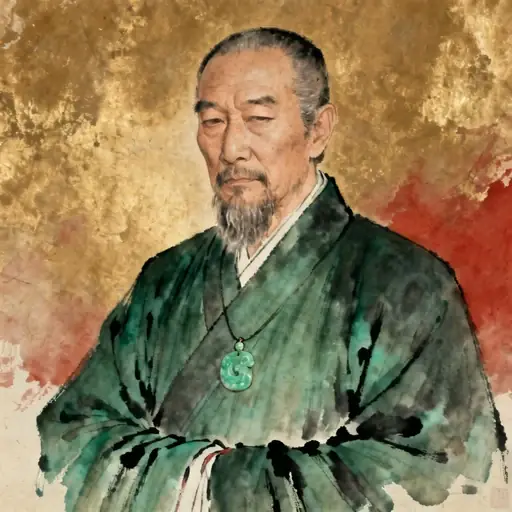
宫门外求见的游士、边地的将领、朝中的谋臣——这些人现在一律虚构,名字是新造的。史书上那些名字属于它们各自的年代,到时候才来,不会提前几十年被拉出来当个路人。
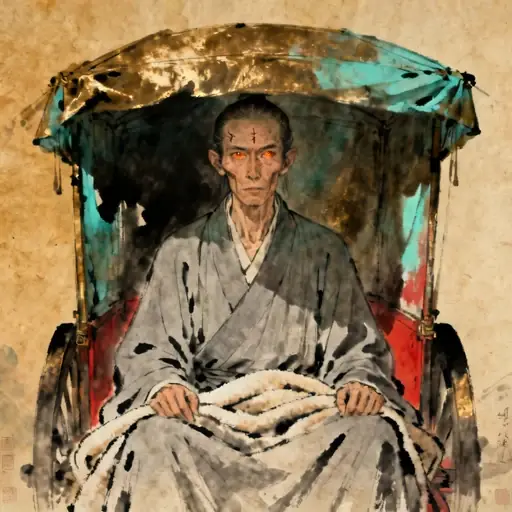
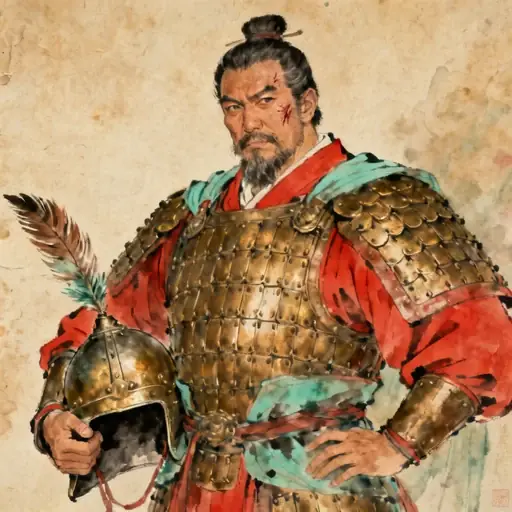
新登场人物的画像也统一成了与其他人同一套笔法。
方士的丹药治不好君上的病
有人把这个世界玩成了科幻——前349年,宋国用「曲率折叠通道」打临淄。以前朝廷会照办,因为没人告诉它该怎么拒绝。
现在做不出来的东西就是做不出来,而且拒绝发生在戏里:匠师把图纸翻来覆去,问这是个什么物件;你最近召见的那几位方士献上丹砂、一套说辞和一份账单;将作少府很小心地回报——他有家小——说此物铸不出来。朝会上大臣交换了一个眼神,散朝后互相打听:君上近来睡得可好?那些游方术士给他吃了什么?要不要知会太子。
代价是真的:威望掉、将佐的信任掉、钱进了方士的口袋、一整季耗在一个什么都造不出来的作坊上。问第十次,朝廷只会比第九次更担心你。
v5 · An ending that actually arrives
Finished is finished. Someone conquered all under heaven and the war kept going — nothing left on the map to fight, and the simulation still running. The ending is now pinned down: the moment no rival state still stands against you, that is the turn it ends.
Three things no longer hold it back. The Mandate is not another gate — it follows the conquest, so the Zhou court handing it over (or you simply taking it) belongs inside the ending, not before it. Frontier tribes holding a corner of the map are not rival states. And your own commanderies and protectorates, whatever you named them, are yours.
The desk no longer buries you. Memorials used to arrive and never leave, piling up dozens deep. Now, with three unanswered on the desk, no new one is brought in — and the world does not wait. The general asking for reinforcements sorts it out himself, or doesn't. The clan stops waiting and starts organising. The slighted envoy goes home. Ignoring a memorial still produces an outcome — just not one you chose.
The prose keeps its register. Long games used to drift into modern administrative language — nodes, standardisation, throughput. The vocabulary is now held to the age: grain, levies, seals, envoys, walls, roads, granaries, law, ritual. An empire should be written by a court historian, not by a consultant.
Walk-ons no longer borrow real names. The persuader at the gate, the frontier general, the scheming minister — all invented now, with invented names. The famous names of this age belong to their own decades and arrive when their time comes, rather than being pulled forward fifty years to fill a bit part. New arrivals are also drawn in the same hand as the rest of the cast.
Alchemy will not cure what ails the ruler. Someone was playing this world as science fiction — a curvature-fold gateway opening over Linzi in 349 BC. The court used to simply comply, because nothing told it how to say no.
Now what cannot be built is not built, and the refusal happens inside the story: the master artisan turns the drawing over and over asking what it is meant to be; the wandering masters you have been receiving produce cinnabar, a long explanation and a bill; the Master of Works reports carefully — he has a family — that the thing cannot be cast. Ministers exchange a look during the audience and afterwards ask each other whether you have been sleeping, and whether the heir should be told.
It costs you: prestige, the confidence of your officers, money into the alchemists hands, a season wasted on a workshop that produces nothing.