1936: Darkest Hour
In 1936, the world stands on the edge of a cliff. The old order is crumbling, and new ideologies are surging beneath the surface. As a national leader, you will guide your country through diplomatic maneuvering, industrial expansion, and brutal war.
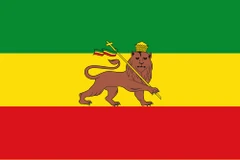
As the New Year's bells rang in 1936, the diplomatic system in Europe was collapsing. Italy's invasion of Ethiopia had been ongoing for months, and League of Nations sanctions proved weak and ineffective. On the first day of the year, Stockholm citizens abandoned celebrations after learning that Italy had bombed a Swedish Red Cross unit, and anti-Italian sentiment soared. But this did not change reality: Britain and France were already considering ending the sanctions, because weakening Italy would only benefit Hitler.
You as Britain or France: Face a cruel paradox—sanctioning Italy is meant to maintain the authority of the League, but sanctions are pushing Mussolini toward Berlin. In March 1936, German troops will march into the demilitarized Rhineland, and you are weighing your options: continue to punish a weak enemy, or woo them to counter a rising threat?
You as Germany (policy currently restricted): A window of opportunity is opening. Italy is bogged down in Africa, France is mired in domestic turmoil, and Britain has not yet seriously rearmed. Your every probe—the Rhineland, Austria, Czechoslovakia—will get a reaction, but the strength of that reaction depends on how the people sitting in London and Paris calculate the cost at this moment.
You as the Soviet Union: You only joined the League of Nations in 1934 and will be expelled in 1939. You watch fascist forces rise in both the East and West, while Britain and France are just as suspicious of you as they are fearful of Hitler. Your choice is: continue to seek collective security within the framework of the League, or find your own path under the threat of a two-front war?
- War Mechanism: Centered on city victory points; depress enemy surrender levels by occupying key hubs.
- Exile Government: If the homeland falls, as long as the core will to resist remains, an exiled government can be established to continue the fight.
- Patience Game: Every country has a patience stat. Depleting patience is a prerequisite for surrender negotiations, but without surrender levels to back it up, war will turn into a long, drawn-out quagmire.