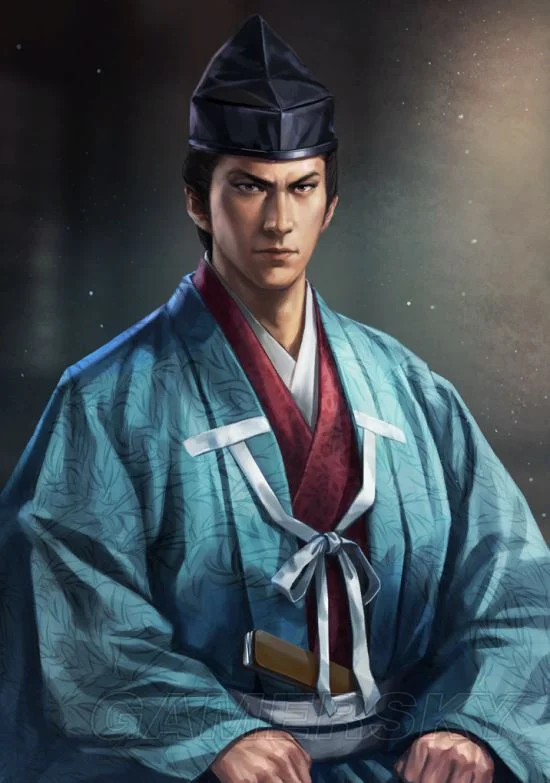
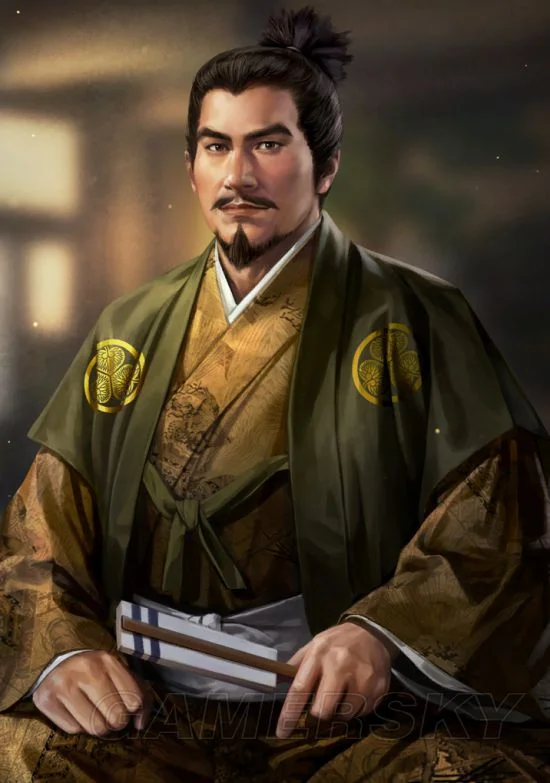
The Heian Period (794–1185) spanned about four centuries, beginning with Emperor Kanmu's relocation of the capital to Heian-kyo. Initially following the Ritsuryo legal system, the dispatch of envoys to Tang China ceased in 894, allowing national culture to flourish. This era saw the rise of Kana script, Waka poetry, and Monogatari (tales), producing works like "The Tale of Genji," "The Pillow Book," and the "Kokin Wakashu," alongside the popularity of Pure Land Buddhism. The Fujiwara clan wielded power through the regent system, peaking under Michinaga. In the late 11th century, Retired Emperor Shirakawa initiated cloistered rule, leading to the rise of the samurai class. Following the Hogen and Heiji rebellions, Taira no Kiyomori seized power, but after the Genpei War, the Taira clan was defeated at the Battle of Dannoura in 1185, bringing the era to an end.
The Genpei War (1180–1185, also known as the Jisho-Juei War) was a civil war between the Minamoto and Taira clans for control of the country. Following Prince Mochihito's call to arms, Minamoto no Yoritomo raised an army in Izu, and the Taira forces collapsed without a fight at the Fuji River. Taira no Kiyomori died of illness, and the Taira clan fled westward. Minamoto no Yoshinaka marched on the capital from Kiso but was soon defeated at the Uji River. In the battles of Ichi-no-Tani, Yashima, and Dannoura, Minamoto no Yoshitsune displayed brilliant military leadership, leading to the destruction of the Taira clan and the drowning of the child emperor, Antoku. After the war, Yoritomo established the Shugo (constable) and Jito (land steward) systems, marking the beginning of the age of warriors in Japan; the "Tale of the Heike" recounts this rise and fall.
The Kamakura Shogunate (1185/1192–1333) was established by Minamoto no Yoritomo, who set up the Samurai-dokoro, Mandokoro, and Monchujo. Based on the Gokenin system, he appointed Shugo and Jito to manage regional administration and estates. In 1192, he received the title of Sei-i Taishogun, solidifying the warrior government. After Yoritomo's death, the Hojo clan wielded real power as regents. They defeated the Imperial Court in the Jokyu War of 1221 and enacted the Goseibai Shikimoku (Joei Code) in 1232. Two attempts to repel the Mongol invasions in 1274 and 1281 left the nation exhausted and the Gokenin impoverished. In 1333, Nitta Yoshisada and Ashikaga Takauji toppled the shogunate, bringing it to an end.
The Nanboku-cho Period (1336–1392) refers to the era when the Northern Court in Kyoto and the Southern Court in Yoshino coexisted in opposition. After the collapse of the Kenmu Restoration, Ashikaga Takauji supported Emperor Komyo to establish the Northern Court, while Emperor Go-Daigo fled to Yoshino to establish the Southern Court, claiming the legitimacy of the Sacred Treasures. Each court had its own emperors, era names, and warrior factions. Figures like Kusunoki Masashige, Nitta Yoshisada, and Kitabatake Chikafusa fought bitterly for the Southern Court, and the Kanno Disturbance, an internal conflict within the Ashikaga clan, also began during this time. In 1392, Ashikaga Yoshimitsu brokered the reunification of the two courts, and Emperor Go-Kameyama of the Southern Court abdicated, ending the division.
The Muromachi Shogunate (1336–1573) was established by Ashikaga Takauji in Muromachi, Kyoto, lasting for fifteen generations of shoguns. The early period was marked by the rivalry between the Northern and Southern courts, which was unified by the third shogun, Ashikaga Yoshimitsu, who received investiture from the Ming Dynasty and conducted tally trade. The Kitayama Golden Pavilion and Higashiyama Silver Pavilion were built in succession; ink wash painting by Sesshu, Noh theater by Zeami, Shoin-zukuri architecture, and the tea ceremony gradually flourished. However, powerful Shugo daimyo grew in influence, peasant uprisings (Tsuchi-ikki) became frequent, and after the Onin War (1467–1477), the shogunate lost its authority, and the country descended into the Sengoku period. In 1573, Oda Nobunaga exiled Ashikaga Yoshiaki, ending the shogunate.
The Onin War (1467–1477) was a major conflict sparked by a succession dispute involving the eighth Muromachi shogun, Ashikaga Yoshimasa. Hosokawa Katsumoto supported Ashikaga Yoshihisa's rival, while Yamana Sozen supported Yoshihisa. The Eastern and Western armies fought for eleven years with Kyoto as the main battlefield, reducing noble mansions and temples to ash and turning the ancient capital into scorched earth. The fighting spread to local areas, causing provinces to split and attack each other, severely damaging social order. After the war, the shogunate's authority collapsed, regional deputies and local lords rose to power, and the trend of "gekokujo" (the lower conquering the higher) became rampant, marking the beginning of the Sengoku period. During the chaos, Yoshimasa built the Higashiyama Silver Pavilion, achieving the Higashiyama culture.
The Sengoku Period (1467–1615) began with the Onin War: Kyoto was reduced to scorched earth, the Muromachi Shogunate lost all authority, regional daimyo competed for territory, and the trend of "gekokujo" flourished. Relying on matchlock guns and rising through policies like Rakuichi Rakuza (free markets), Oda Nobunaga exiled the last shogun in 1573. After the Honno-ji Incident, Toyotomi Hideyoshi completed unification through battles like Yamazaki and Shizugatake, and implemented the Taiko land survey and sword hunt. After the Battle of Sekigahara decided the victor, Tokugawa Ieyasu established the Edo Shogunate in 1603, and by 1615, destroyed the Toyotomi clan, ending the Sengoku period. During this time, castles, the tea ceremony, and Noh theater flourished.
The Azuchi-Momoyama Period (1573–1603) refers to the era when Oda Nobunaga and Toyotomi Hideyoshi ruled in succession, named after Azuchi Castle and Fushimi (Momoyama) Castle. Nobunaga abolished old systems and encouraged commerce and industry; Hideyoshi completed unification, implemented the Taiko land survey, sword hunts, and the separation of warriors and farmers, establishing the Kokudaka system. This era saw the introduction of Nanban trade and Christianity, the spread of matchlock guns and printing, and the flourishing of castles, wall paintings, the Kano school, Sen no Rikyu's tea ceremony, and Noh theater. The style was bold and magnificent, historically known as Momoyama culture, influencing future generations. In 1603, Tokugawa Ieyasu established his government in Edo, bringing the era to a close.
The Edo Period (1603–1867) was the more than 260 years of rule by the Tokugawa Shogunate, characterized by the Baku-han system and Sankin-kotai (alternate attendance), and a state built on the Kokudaka system and the four-class hierarchy of samurai, farmers, artisans, and merchants. Under the policy of national isolation, only windows like Nagasaki remained open. Early economic growth led to the rise of townspeople culture; during the Genroku and Kasei eras, Kabuki, Ukiyo-e, and Haiku flourished. In the mid-to-late period, frequent famines and financial difficulties led to repeated reforms. In 1853, Perry arrived, leading to the Ansei opening of the country, the rise of the Sonno Joi (Revere the Emperor, Expel the Barbarians) and anti-shogunate movements. In 1867, the Taisei Hokan (restoration of imperial rule) occurred, and the Meiji Restoration followed the next year, bringing the era to an end.
The Anti-Shogunate War (Boshin War, 1868–1869) was a civil war between the Meiji government forces and the old shogunate forces. After the Taisei Hokan in 1867, domains like Satsuma and Choshu raised armies in the name of the restoration of imperial rule. Winning the "Imperial Banner" at the Battle of Toba-Fushimi, Tokugawa Yoshinobu retreated to Edo. Through negotiations between Saigo Takamori and Katsu Kaishu, Edo Castle was surrendered without bloodshed. The fighting moved north, with fierce battles in Ueno and Aizu. Although the old shogunate forces resisted with groups like the Shinsengumi, they could not turn the tide. In 1869, the fall of Goryokaku in Hakodate marked the completion of the Meiji Restoration.