╔══════════════════════════════════════════════════════════════╗ ║ Jin Zuo Bing Quan · Game Intro & Update Log ║ ║ Jin Zuo Bing Quan · Grand Strategy of Western Jin ║ ║ Version v22.2 FINAL · 2026-11-02 ║ ╚══════════════════════════════════════════════════════════════╝
━━━━━━━━━━━━━━━━━━━━━━━━━━━━━━━━
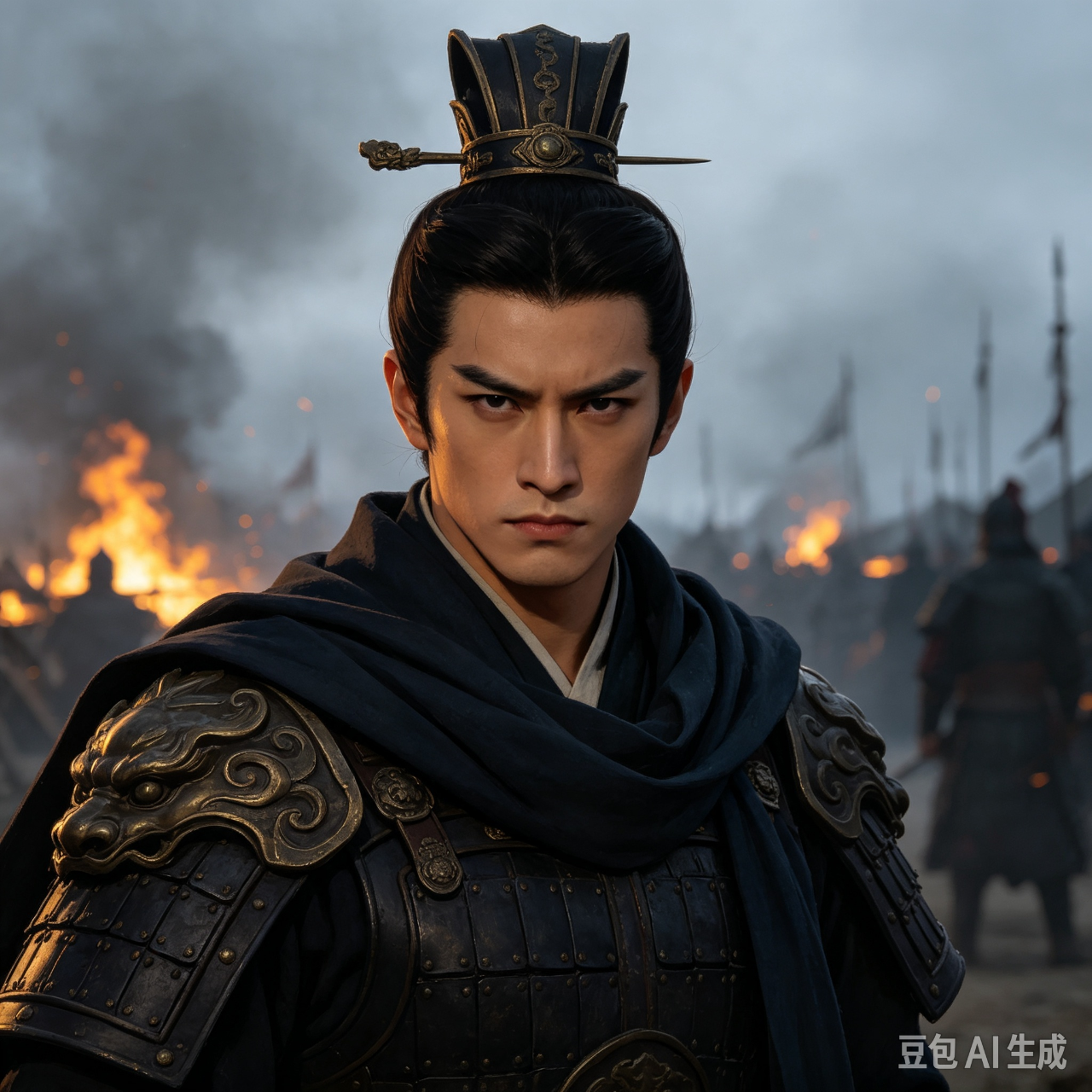
- What is this game? ━━━━━━━━━━━━━━━━━━━━━━━━━━━━━━━━ "Jin Zuo Bing Quan" is a grand dynasty simulation starting from the sixth year of Tai Kang of the Western Jin (285 AD). You live within the brushstrokes of the "Book of Jin" and "Zizhi Tongjian": Edicts use "Imperial Decree," military reports use "On such-and-such date, General X arrived at location Y with Z troops," and the historian leaves their judgment after every story.
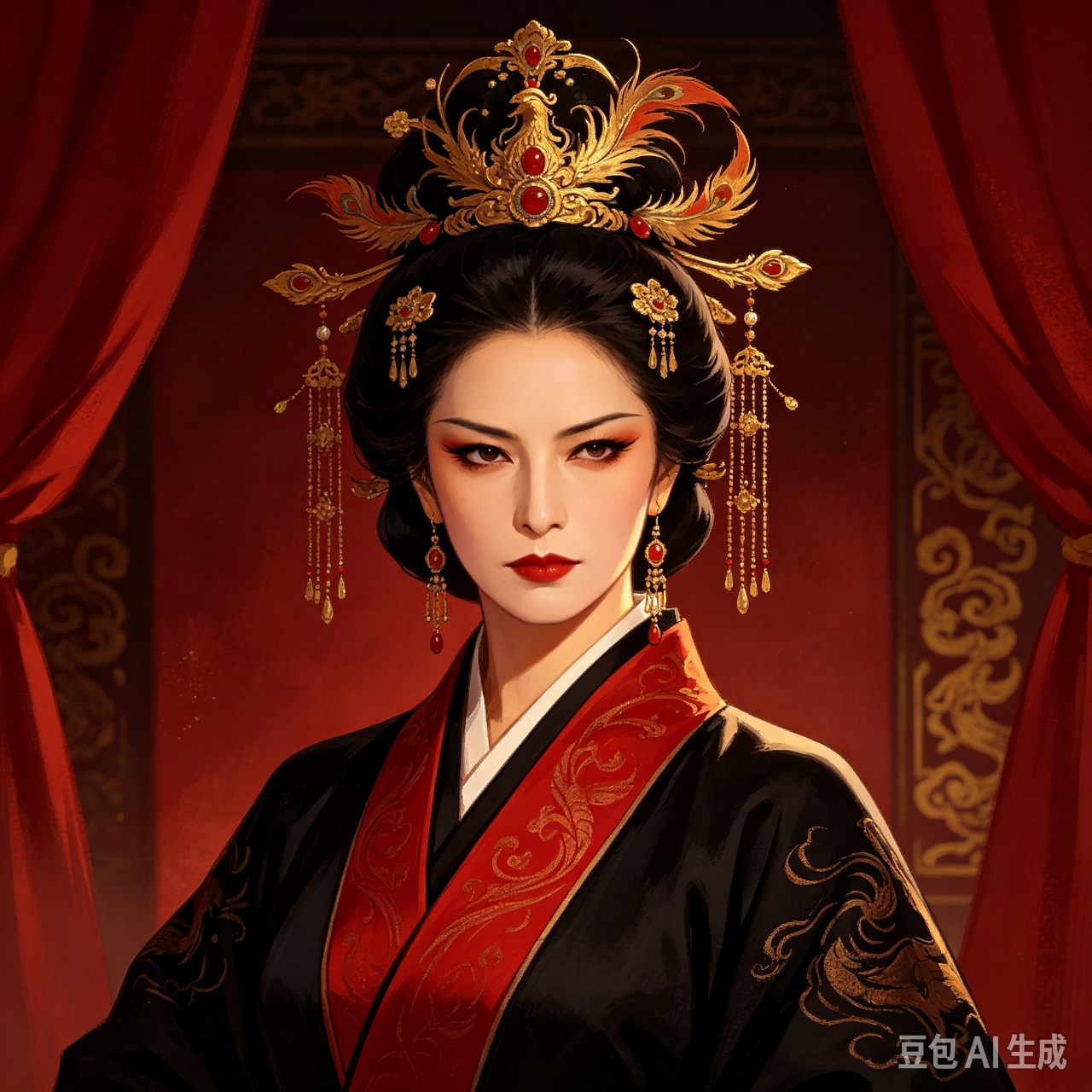
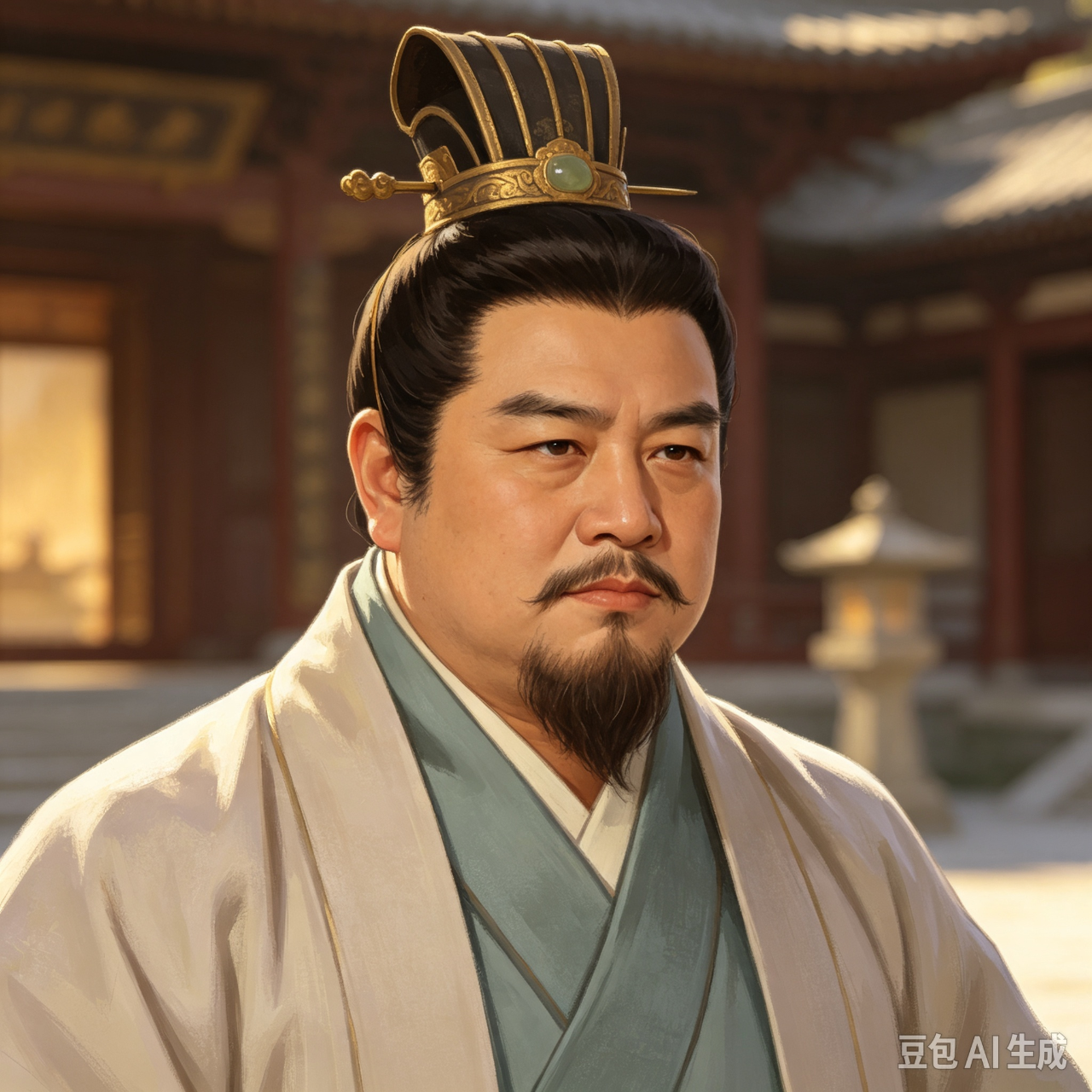
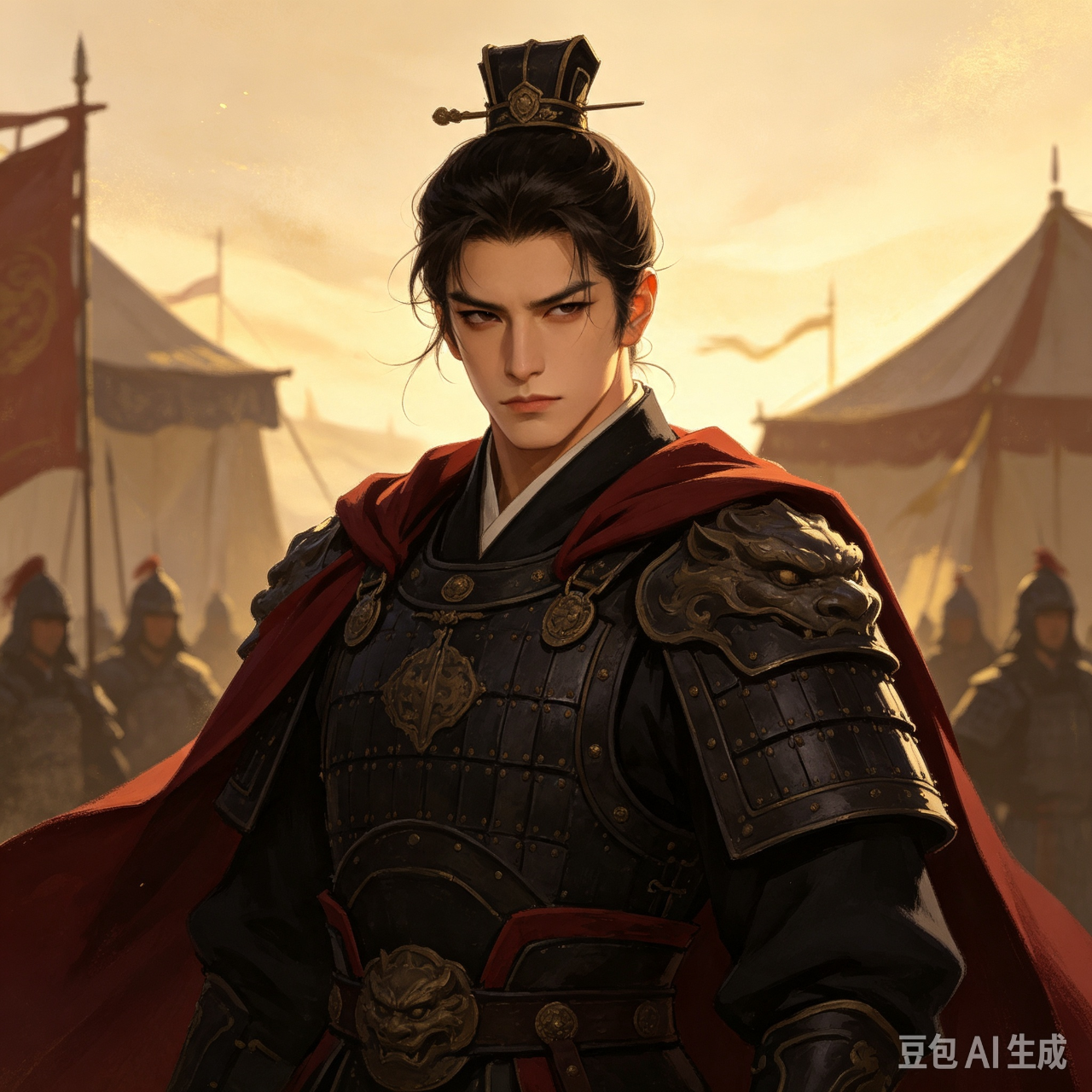
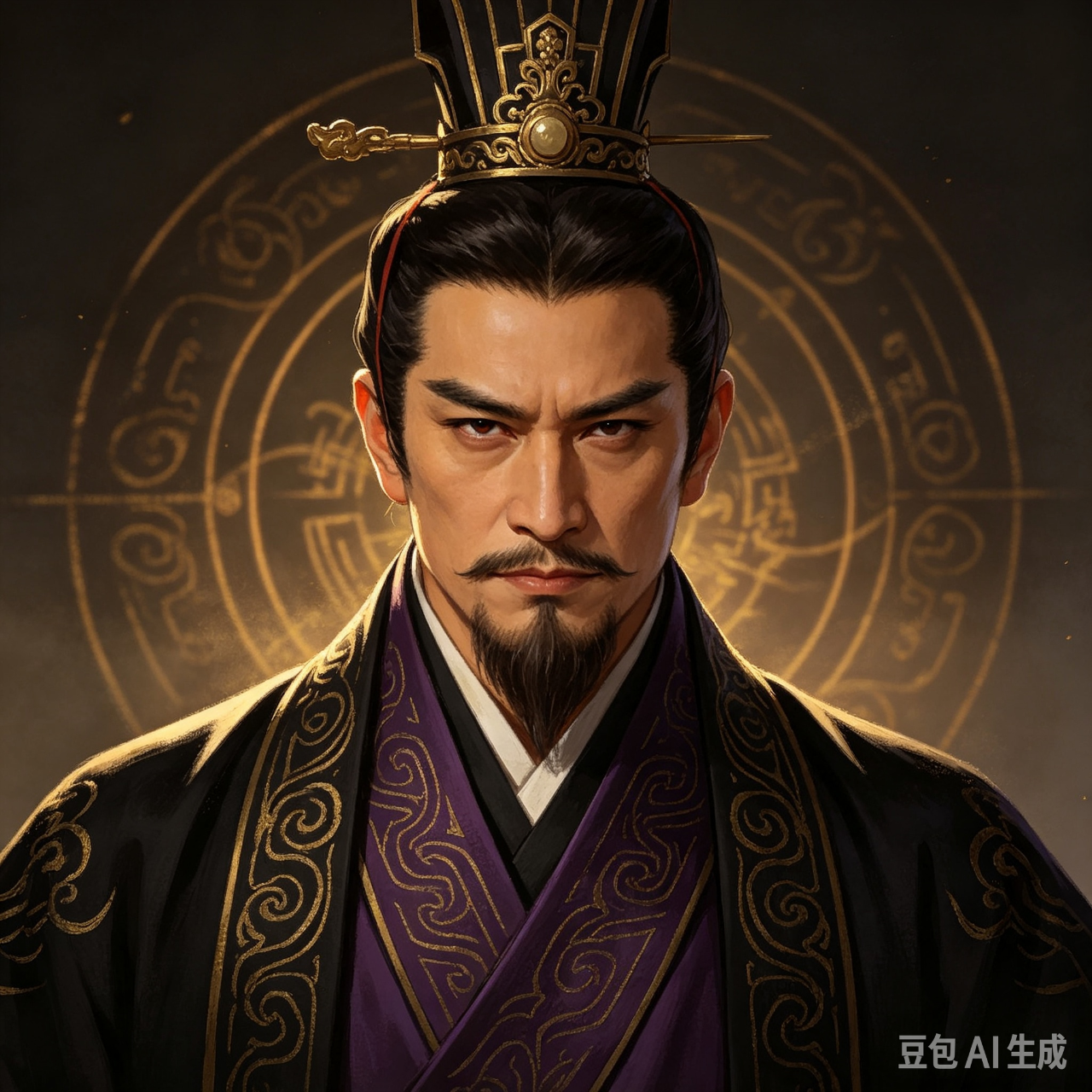
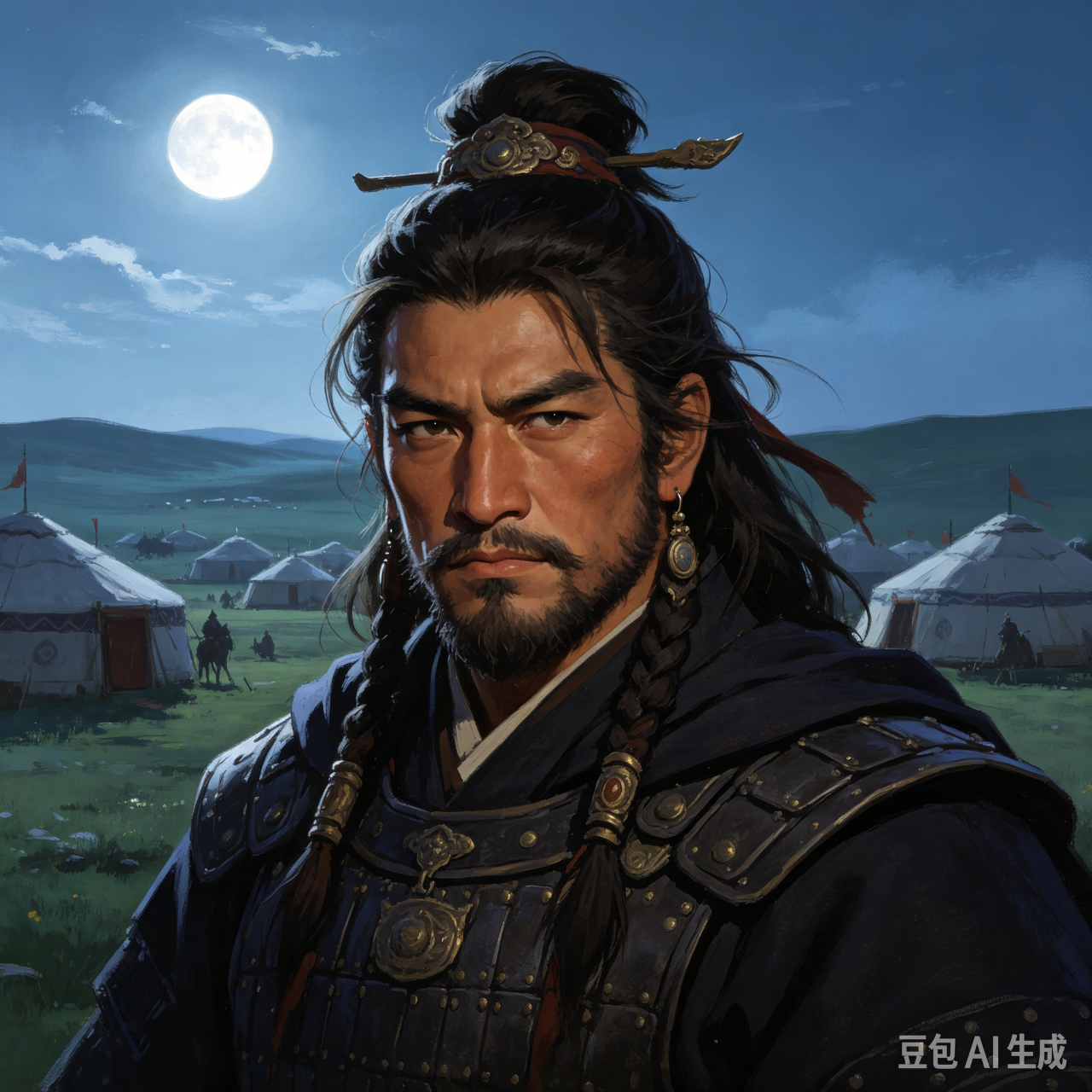
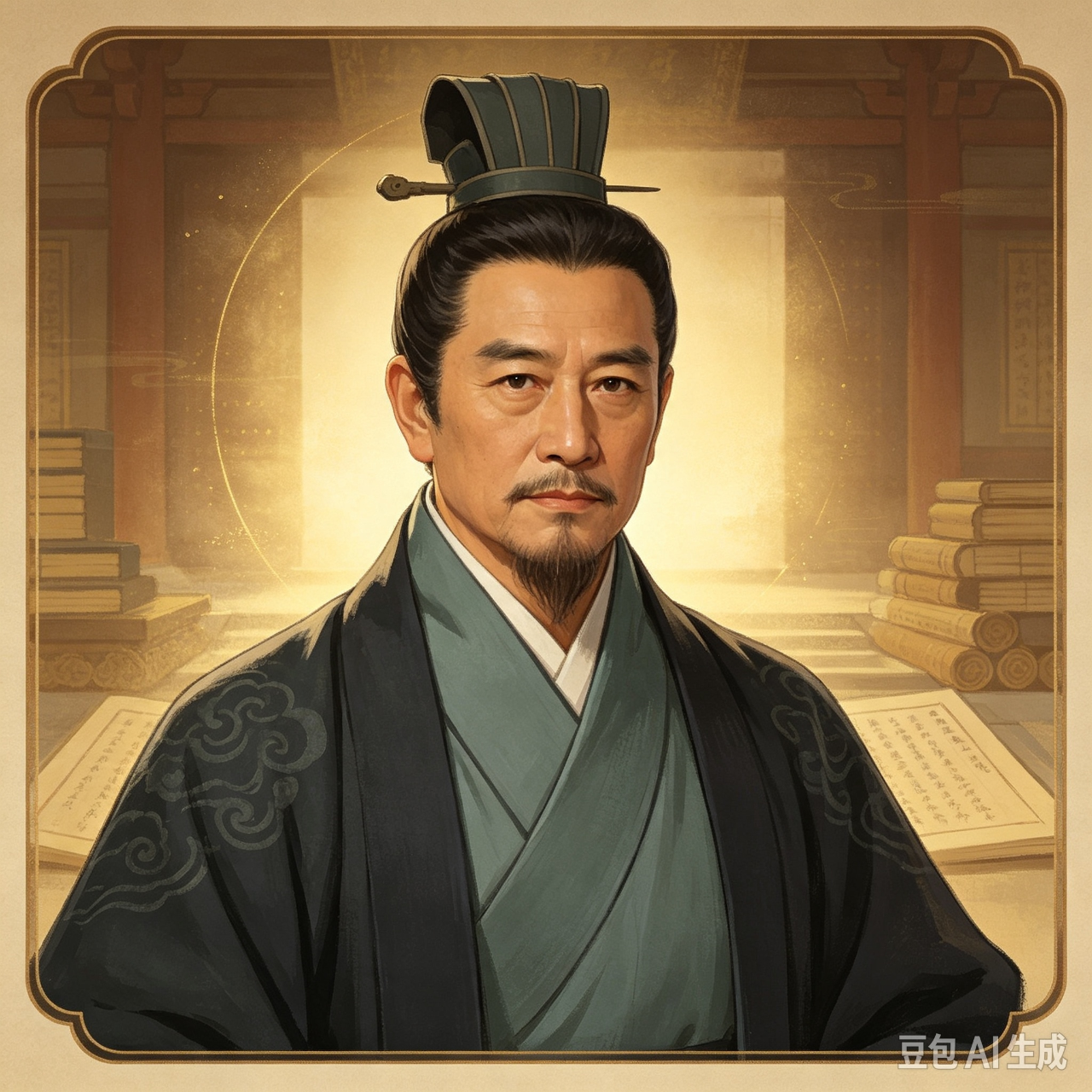
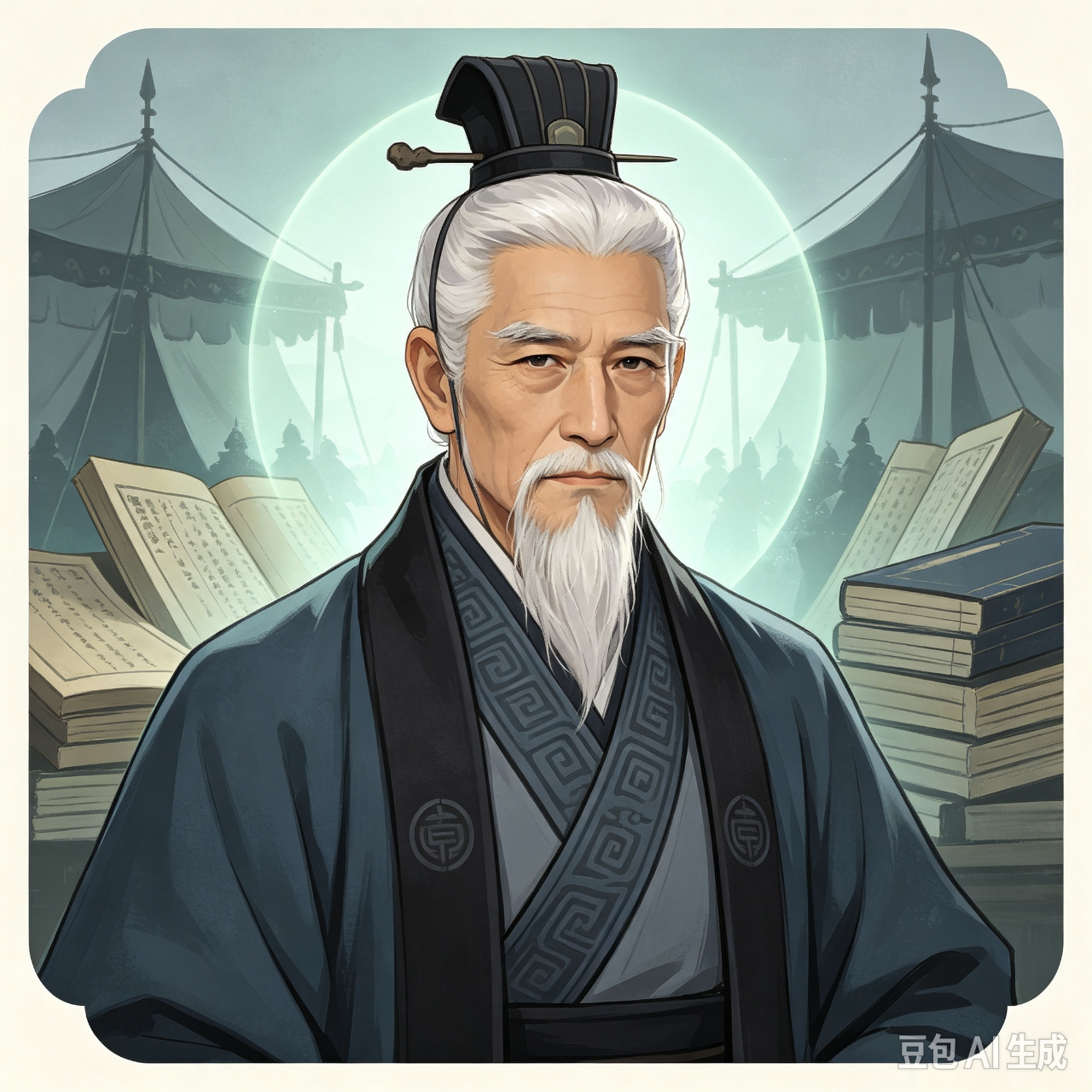
The world is a complete historical chessboard: 537 named cities, 165 historical figures with personalities, and seventeen factions nominally loyal to the Jin but de facto independent—Yang Jun, Jia Nanfeng, the eight princes, the five noble clans, and the Xiongnu, Xianbei, Qiang, and Di tribes. History is a river channel, not train tracks: Liu Yuan lies in wait on the eve of the fall of Jianye, the Disaster of Yongjia hangs thirty-three years away. You can go against history, go with it, or have no time to care—because you might just be a beggar.
The Iron Law of Free Identity: You can be an Emperor, a Prince, an Inspector, a General, a noble scion, a stranded scholar, or a nameless beggar. The game only recognizes who you have chosen—the beggar has not a single soldier to his name, the Emperor has the entire world; from beggar to Emperor, every step is priced (Merit → Office → Token), there are no free Dragon Thrones.
━━━━━━━━━━━━━━━━━━━━━━━━━━━━━━━━ 2. How to play (Three channels, each with their own duties) ━━━━━━━━━━━━━━━━━━━━━━━━━━━━━━━━ 【Channel 1 · Main Input = The Stage】 Whatever you say, the world responds. Say a line, issue an order, ask someone—the GM acts in-character: Scold Yang Jun, and the court shakes; Recruit soldiers, and the Chief Clerk calculates the costs; Remain silent, and the world acts on its own. Here, we play, we don't discuss mechanics.
【Channel 2 · GM Dashboard = Your Ledger of State】 Three columns to view the realm: · Player Stats—Your total of 77 metrics (Population/Farmland/Granaries/Troops... plus for city gains, minus for city losses, refreshed every turn, labeled "unchanged" if idle). · Player Office—What office you hold, how much power you wield, what your subordinates are doing this period. · The World—Espionage Bureau: Content only appears if you order reconnaissance; wars, secret reports, and faction changes are all here. Top progress bar: "Finished X/Pending N-X", you can see at a glance if the books are balanced.
【Channel 3 · Repair Tool = Your Maintenance Station】 Two button-level powers: · One-Click Repair—Full body check of ledgers and maps, fifteen types of old and new wounds fixed at once, with logs left for every fix. · Command Console—Issue orders directly to the GM: Fix bugs, change numbers, recolor the map, change the dynasty settings; it happens on the spot. This is your game, absolute obedience, the author has retired.
【Pacing】1 Turn = 1 Decade (10 days), three decades per month. The dashboard clears accounts automatically every turn; Click the dashboard circle = manually trigger a batch; Say "Fast forward three months" = time folds and races ahead. Daily maintenance: Click the repair tool once or twice a week, no need to worry about anything else.
━━━━━━━━━━━━━━━━━━━━━━━━━━━━━━━━ 3. What is the experience like? ━━━━━━━━━━━━━━━━━━━━━━━━━━━━━━━━ · Honest. The dashboard doesn't lie: If the number moved, it moved; if not, it says "Troops unchanged"; if no recon was done, it says "No intel." · Heavy. Every policy shows the full causal chain: Cost → Who pays → Livelihood impact → When the backlash arrives. Harsh levies will force hidden households, starve peasants, and ignite rebellions—you can hear the sound of plucking the goose feathers. · Alive. Even if you don't look, the world turns: The eight princes plot, the northern tribes head south, noble clans merge lands, famine and pestilence follow their own schedules; before major events happen, the wind always arrives first. · Clean. Drama is drama, accounts are accounts: Text is all in historical style with page-turning plot cards; numbers are all on the ledger, units are strict (troops are soldiers, bushels and acres are not mixed). · Safe. No need to find the author if issues arise: Fix with one click, or give a single command. · Free. Propose bizarre policies—burning books, equalizing wealth, female empress regimes—the GM doesn't reject them, just calculates the cost for you.