January 1998, Shizunai, Hokkaido. At a snow-covered ranch in Hidaka, you become a horse owner for the very first time. With 15 million yen in hand, Nozawa Gozo, the ranch owner, presents you with the pedigrees and brief evaluations of eight 2-year-old horses. Your journey as an owner begins when you choose one of these horses for free and give it a name.
One Month at a Time, Watching Your Horse Grow Will you lay the foundation at the ranch, or move it to the stable to learn the starting gate? The game progresses one month at a time. While observing your horse's growth and fatigue, you choose one main action for that month: training, racing, or resting. Sometimes, your desire to debut early clashes with the judgment that it's better to wait another month. Mind your expenses, like boarding fees, while discovering your horse's unique strengths.
From Debut in Mombetsu to Inter-regional Graded Races, and Finally, Central After passing the aptitude test, it's finally time for the first race. The race you choose depends on the young horse's temperament, distance aptitude, and the competition. Gain experience in Mombetsu, and once the horse is strong enough, move on to Hokkaido graded races or inter-regional exchange races. Winning an inter-regional graded race opens the door to challenging the Central G1. Whether you win and move on to the next stage, or lose and reconsider the distance and interval, your accumulated record will remain in the horse's history.
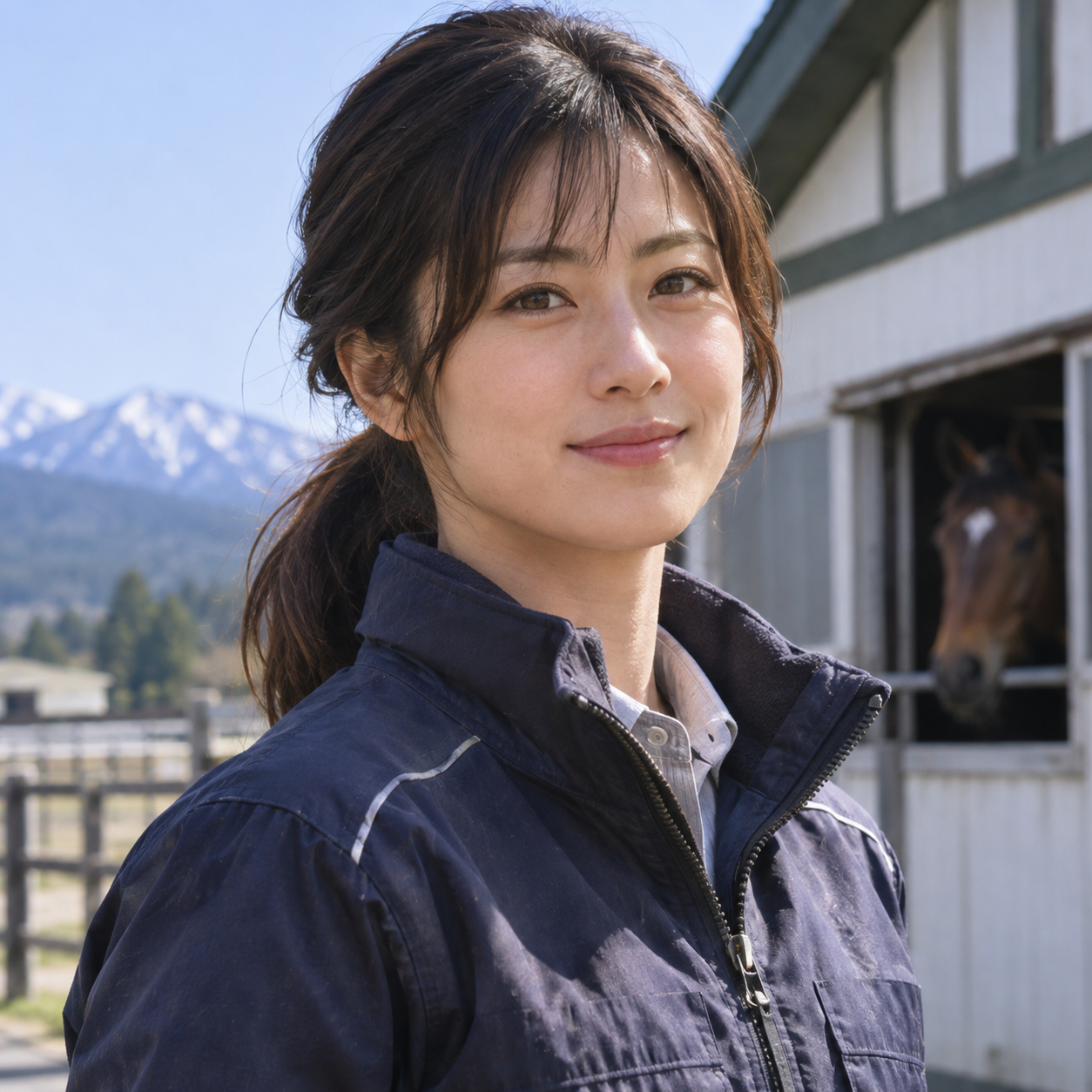
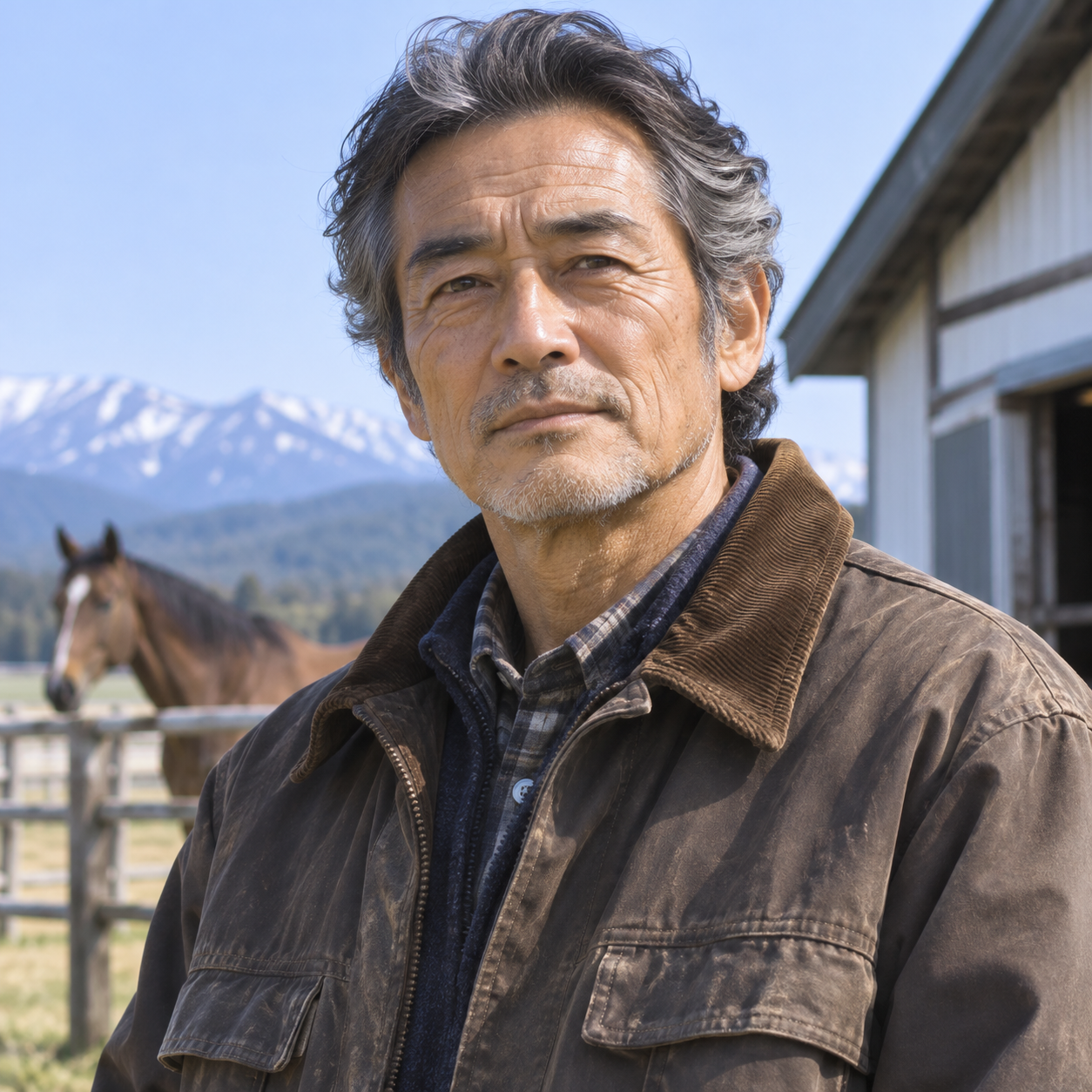
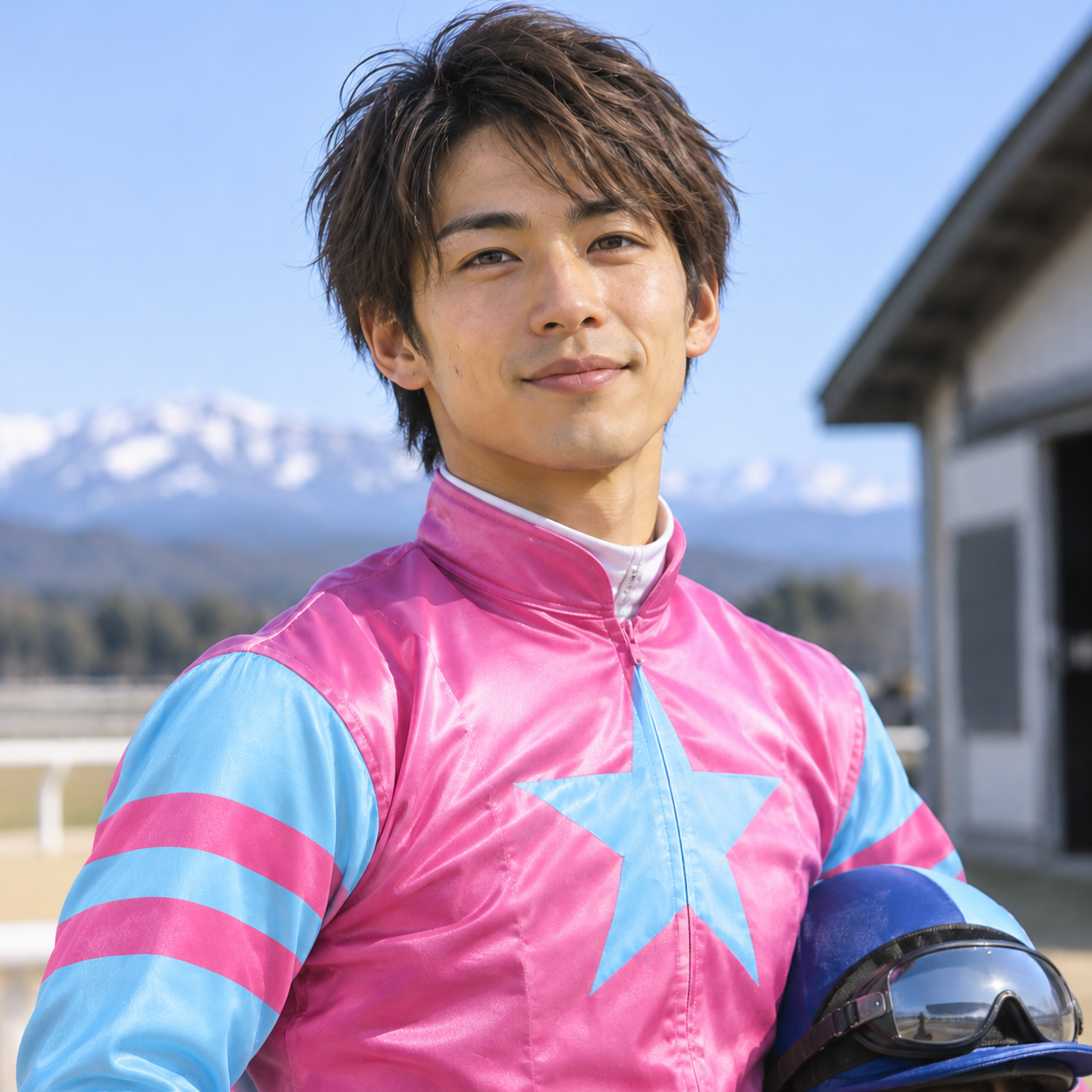
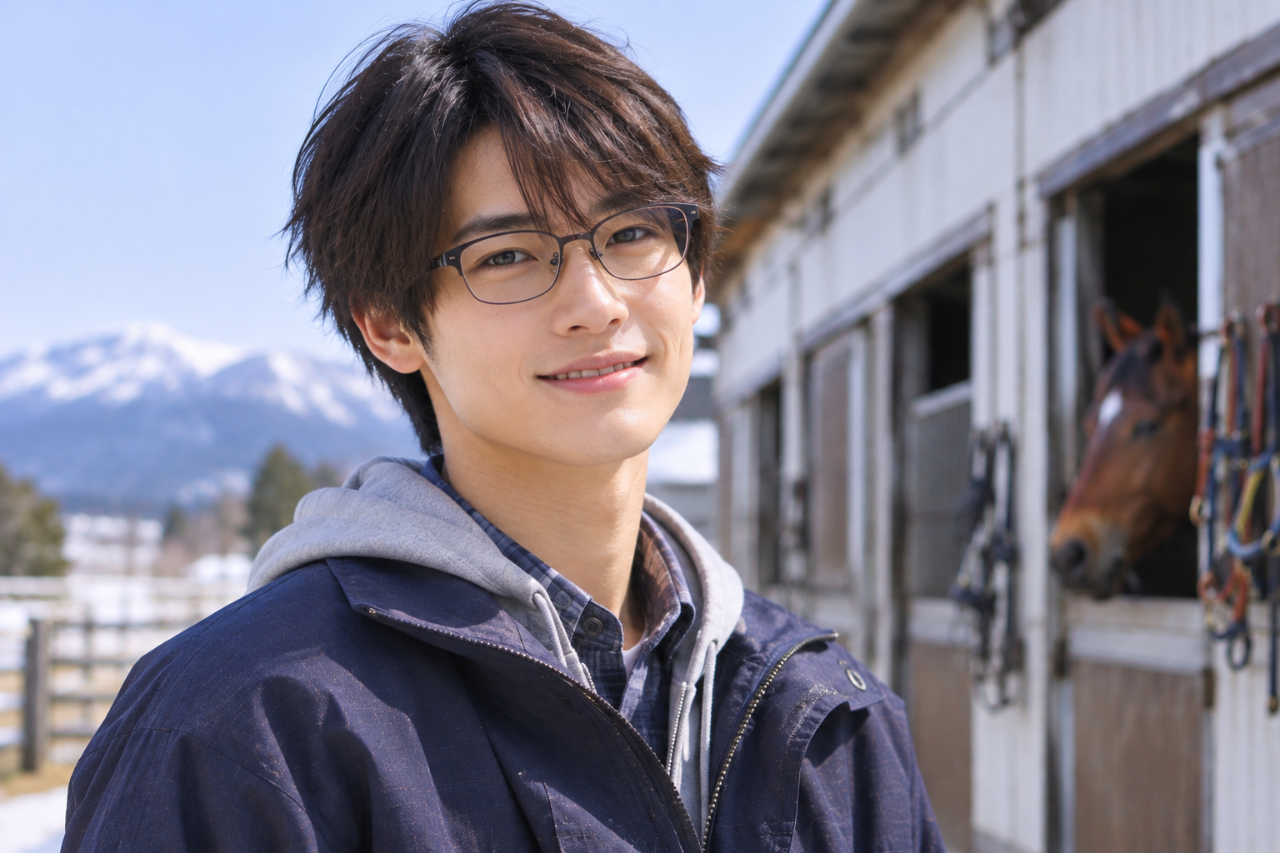
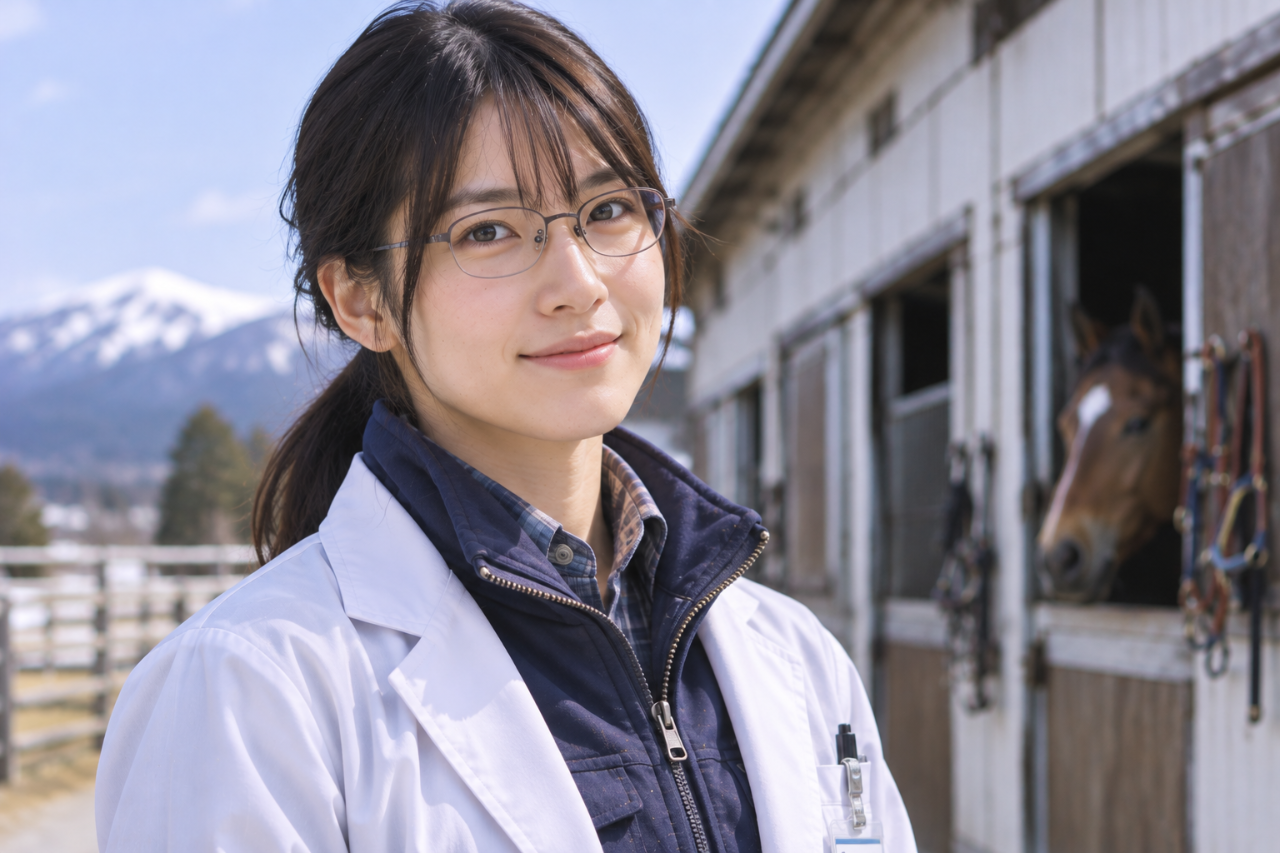
Those Who Watch the Horses Kakeru Takahata, a young trainer, keeps your horse at his stable, advising on this month's strategy based on the horse's condition and the interval until the next race. Ranch owner Nozawa looks at the pedigree chart, then watches the horse walk, keeping an eye on its gait and temperament. Yuichi Miyagishi, the lead jockey of Takahata stable, is a pragmatic rider who thinks about where to make his move. Groom Naoki Fujiwara notices small changes in appetite or gait and keeps an ear out for news about rival horses. Veterinarian Rio Mizuno checks the horse's legs and health, giving you the information needed to decide whether to increase the load or let the horse rest.
From One Retirement to the Next Generation You can own one horse while it is active. After retirement, you can search for the next horse at the market, or connect your beloved horse's bloodline through breeding. Think about which traits you want to pass on, choose a mate, and await the birth of a foal. The foal might win the race the parent couldn't, or it might excel at a completely different distance. Even after you reach a milestone by winning a Central G1, you can continue playing while raising the next generation.
At first, the eight pedigrees and eight short evaluations are your clues. Even if you don't know much about horse racing, if a horse catches your eye, you can ask Nozawa or Takahata and choose one with confidence. Envisioning the spring in Mombetsu, first look for a horse in the winter stable that you want to watch over for a long time.