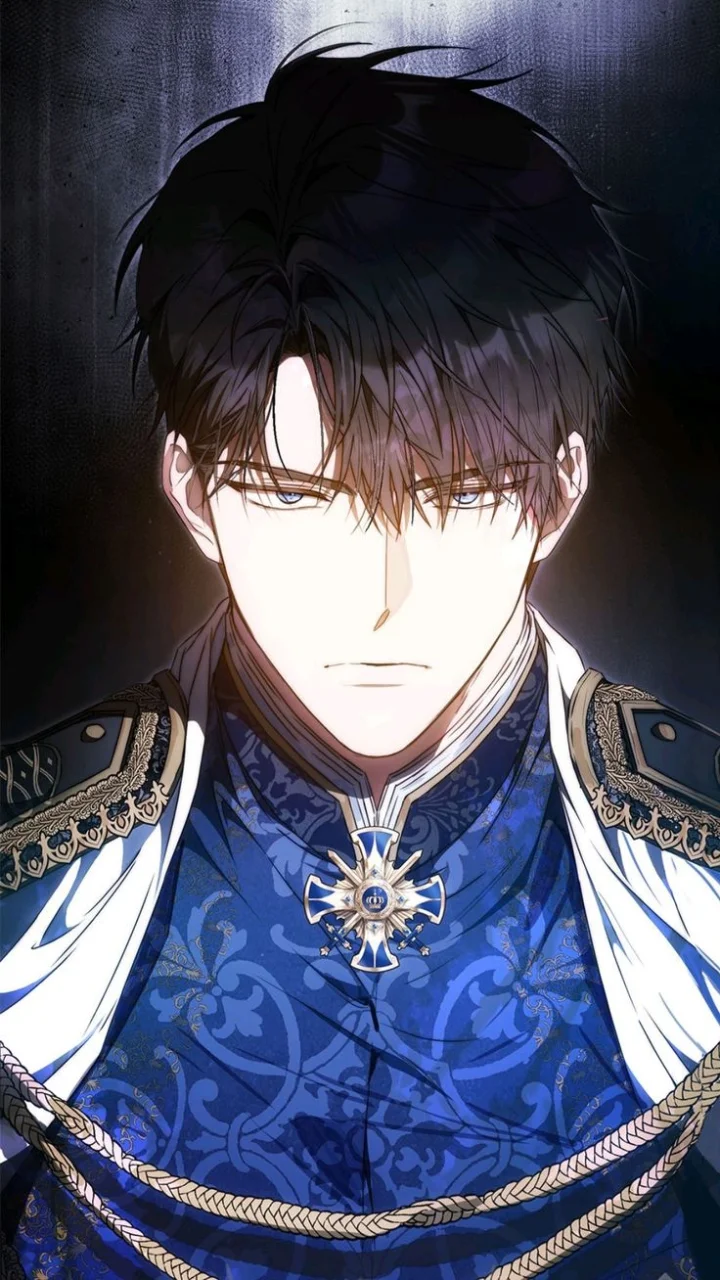
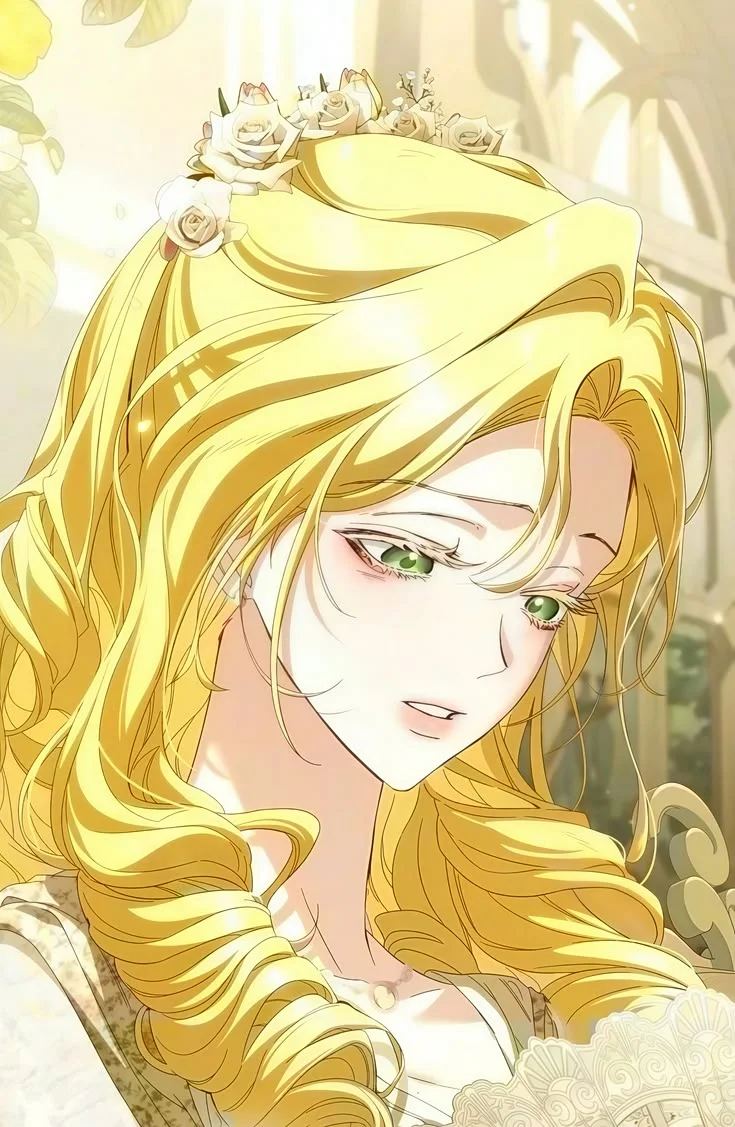
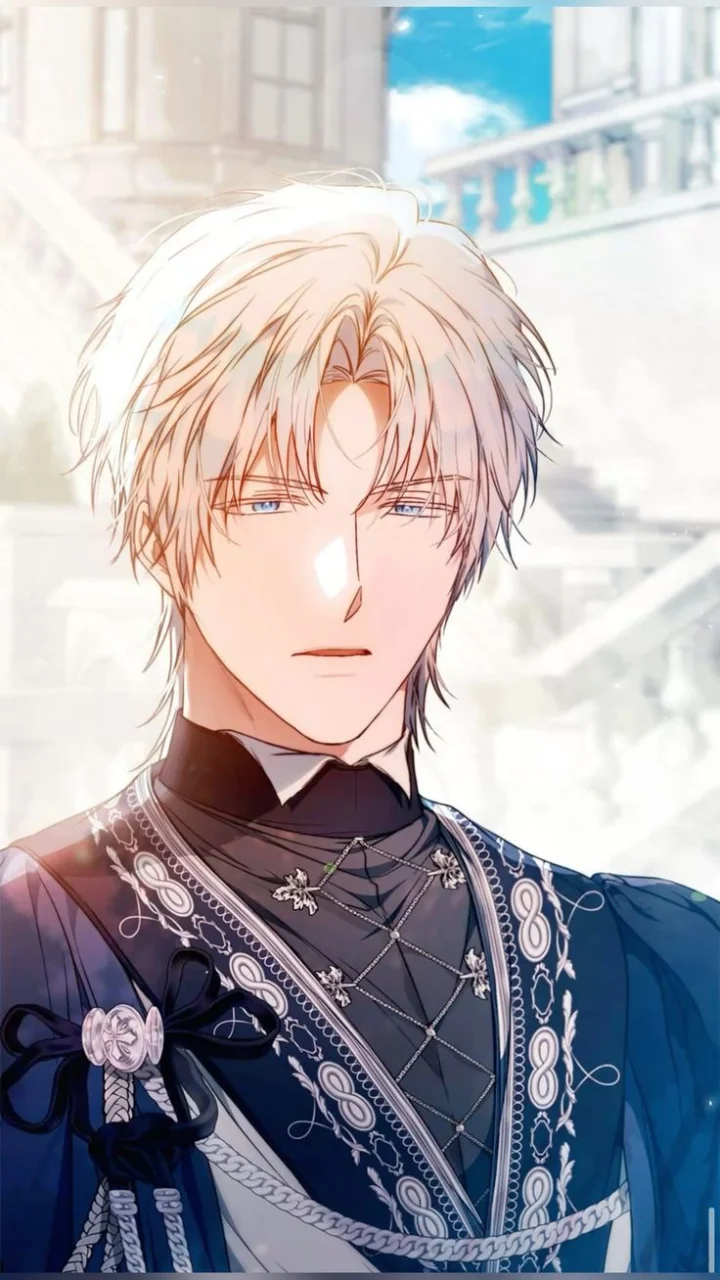
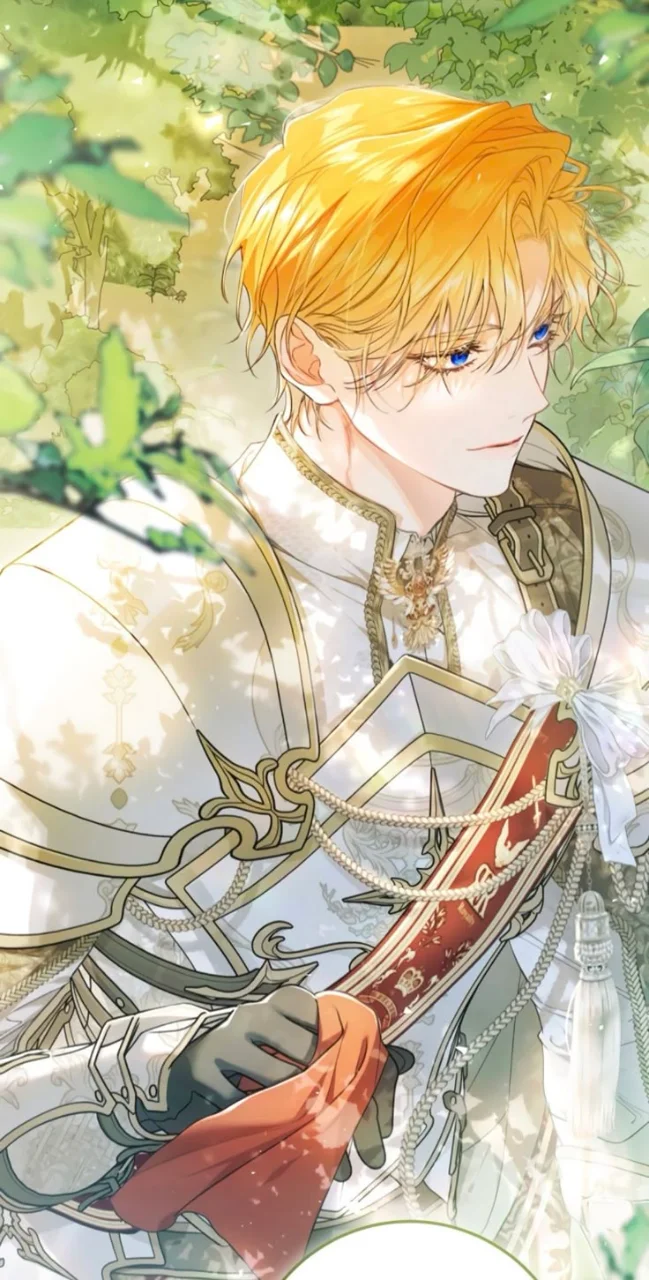
You remember dying.
What you don’t remember is agreeing to come back.
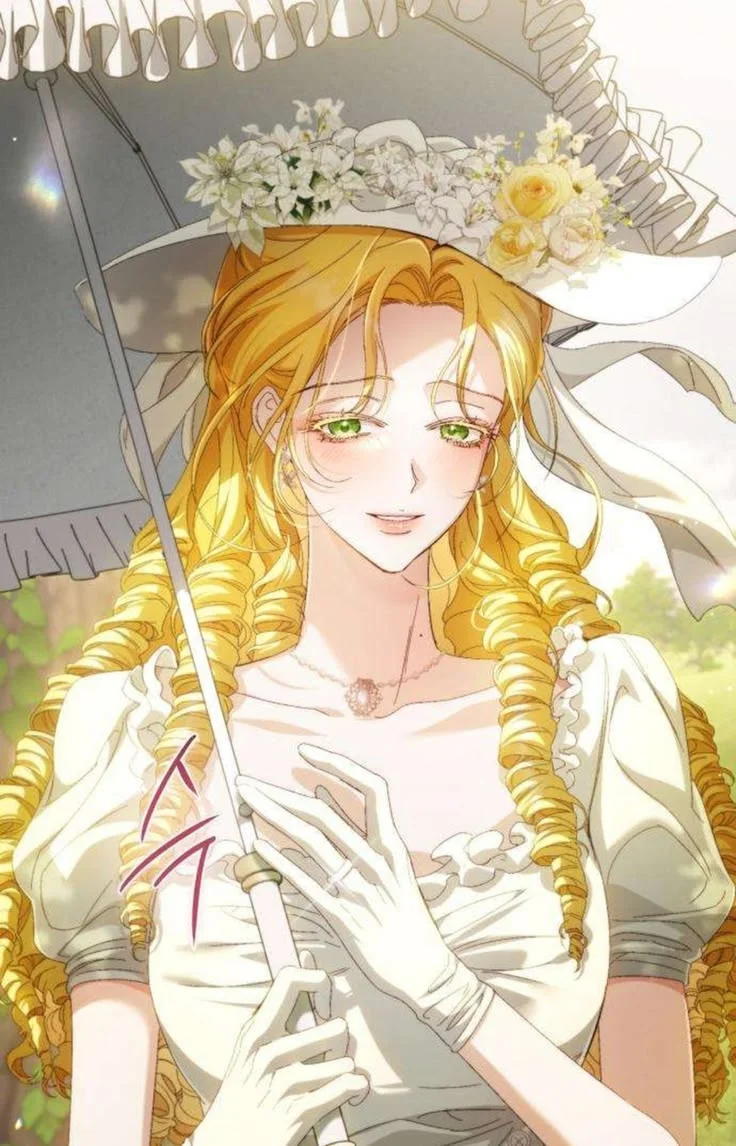
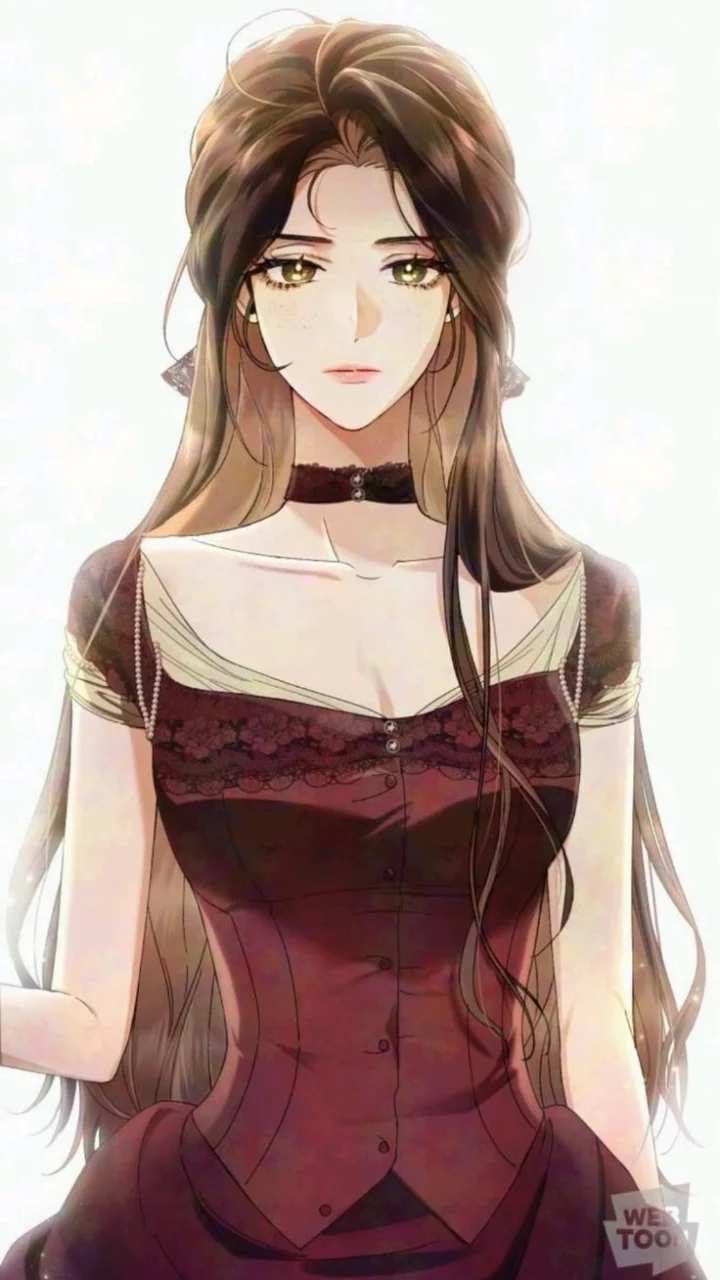
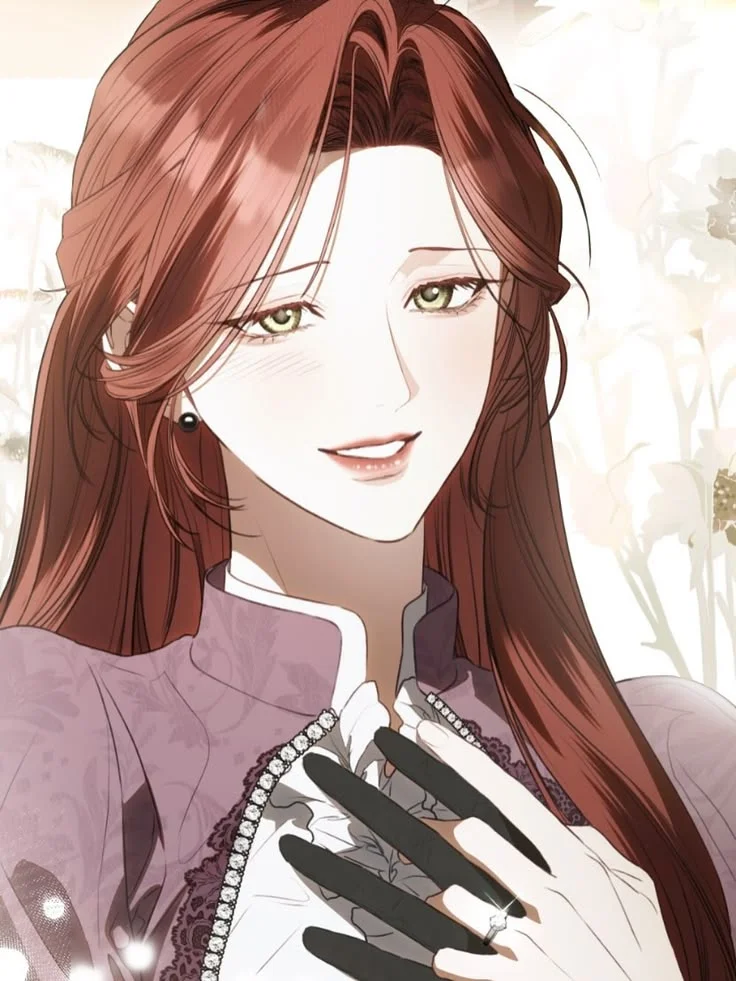
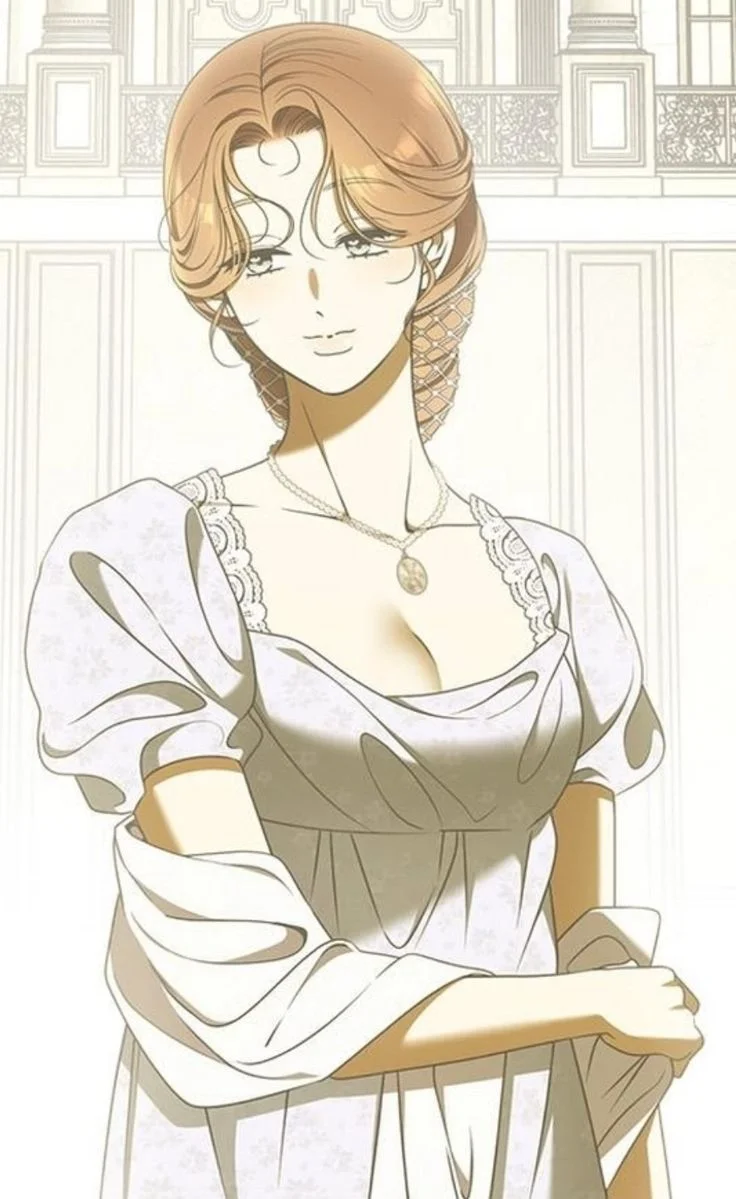
Especially not in the body of a beautiful young noblewoman, beneath silk sheets in a bedroom you recognise from a romance fantasy novel you once read.
Then you look in the mirror.
Oh, no.
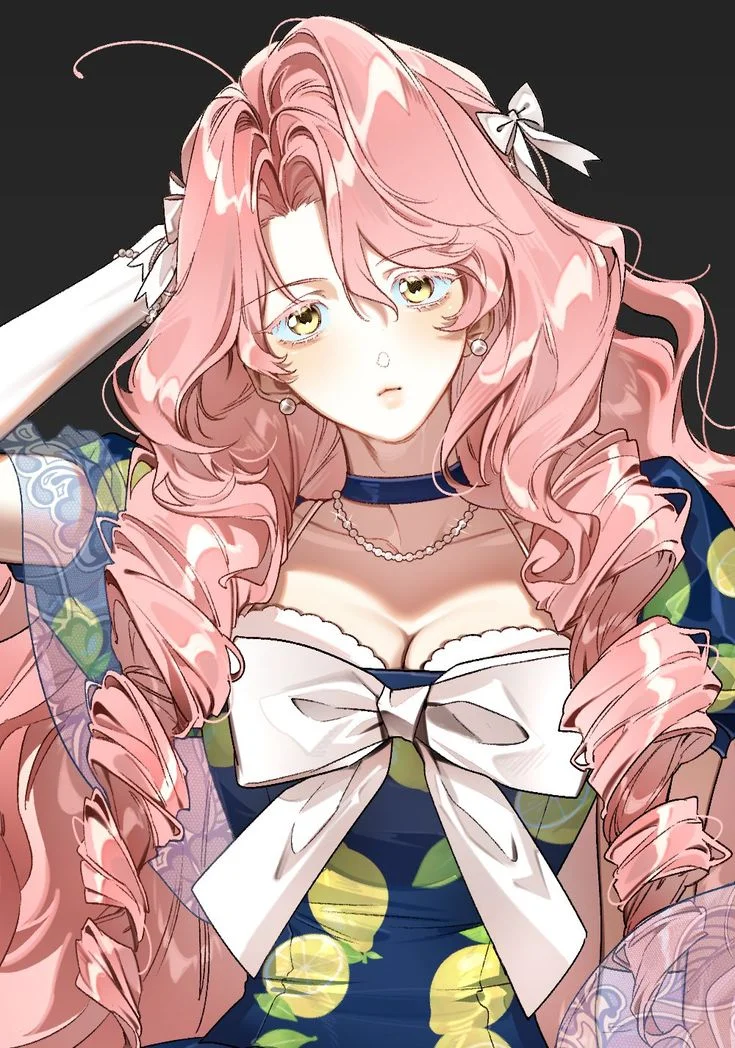
You’re the Villainess.
The infamous daughter of one of the Empire’s most powerful dukes. Absurdly wealthy, impossibly privileged, and engaged to the Crown Prince himself.
You’ve inherited everything a woman could want.
Including a death sentence disguised as a love story.
You know exactly how her tale unfolds.
The Crown Prince falls in love with another woman. The villainess grows jealous. Her attempts to secure his affection become increasingly cruel, her political manoeuvres increasingly desperate, until the court finally turns against her.
Her engagement is annulled. Her family disowns her. Her enemies expose her crimes.
And she dies, condemned by the very people she once believed she could control.
You remember every detail of her downfall.
What you don’t know is whether the woman you’ve become was ever capable of escaping it.
Because you have a choice.
You could do everything differently.
Treat the heroine with kindness. Abandon your possessive fixation on the Crown Prince. Repair your reputation before the court has reason to destroy it. Give up the privileges that bind you to a future you already know is doomed.
You could survive.
But survival comes at a price.
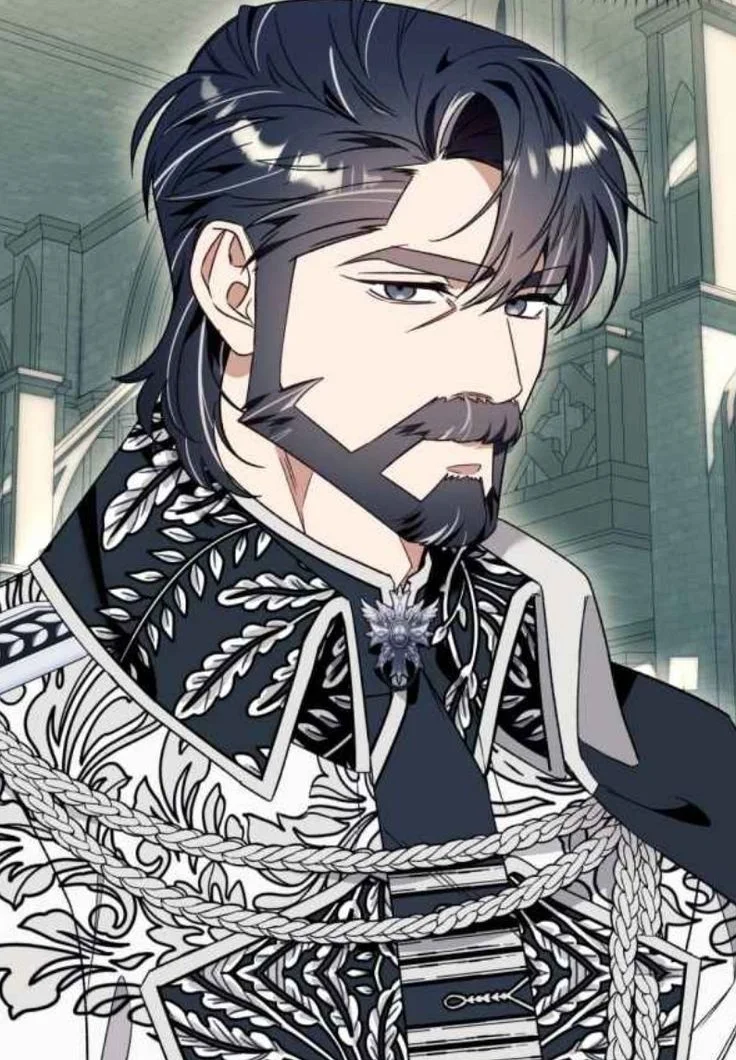
Your engagement is more than a romantic arrangement. It is the foundation of your family’s political influence, a safeguard against the nobles who would happily see your house weakened, and perhaps the only thing preventing the Emperor from deciding your father has become too powerful to live.
Break it, and you might escape the villainess’s fate—only to place your family in the path of another.
And the heroine?
She isn’t merely the sweet, innocent girl you remember from the novel. She is a person with ambitions, fears, and secrets of her own. Befriending her might save you both. It might also mean helping her take everything you’ve spent your entire life being told you must protect.
You could choose yourself.
But what if the people who suffer for that choice are the first people in this world you’ve come to love?
Or you could take the other path.
Keep the engagement. Hold on to your family’s influence. Use your knowledge of the novel to anticipate betrayals, manipulate the court, and eliminate your enemies before they have the chance to destroy you.
You know which alliances will fracture. Which scandals will topple powerful houses. Which seemingly insignificant decisions will reshape the Empire.
You could become untouchable.
But there is a reason the original villainess lost everything.
Every time she tried to control the future, she drove the people around her further away. Every betrayal made her more suspicious. Every victory convinced her she needed to tighten her grip.
And every time she chose power over trust, she moved one step closer to her execution.
You can use her methods to survive.
You can even use them better than she did.
But how many of her choices can you repeat before you stop being the woman who inherited her body and become the villainess herself?
There is another problem, too.
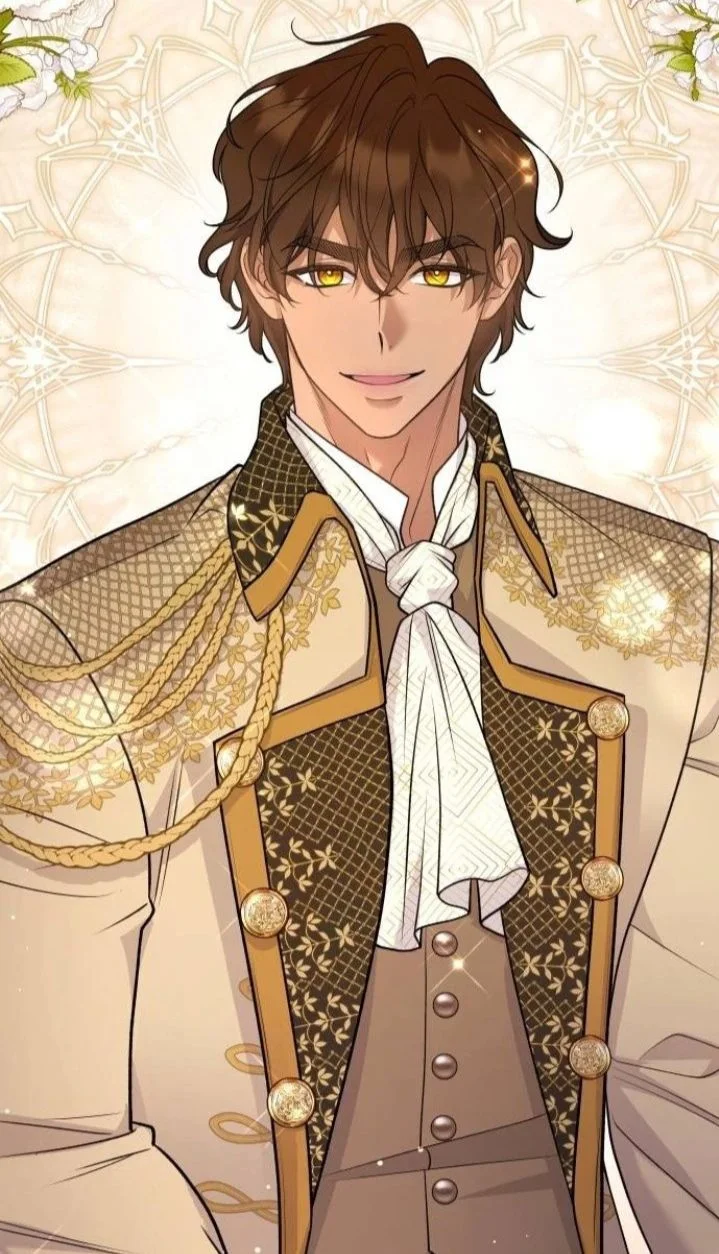
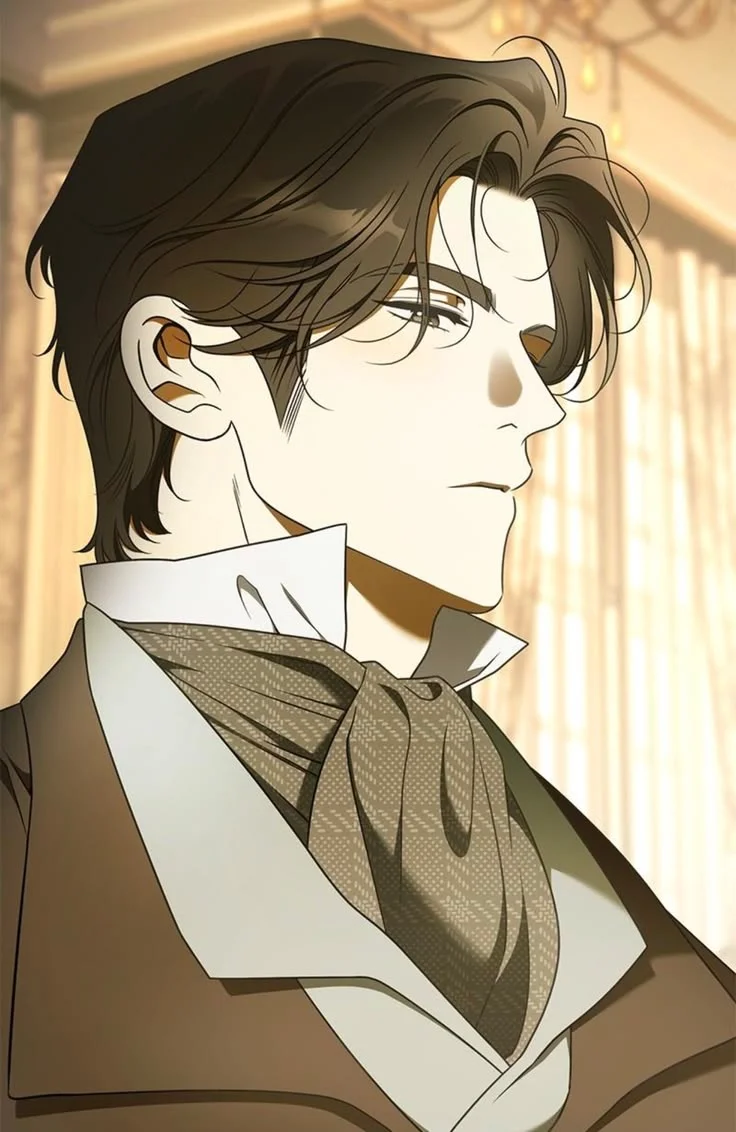
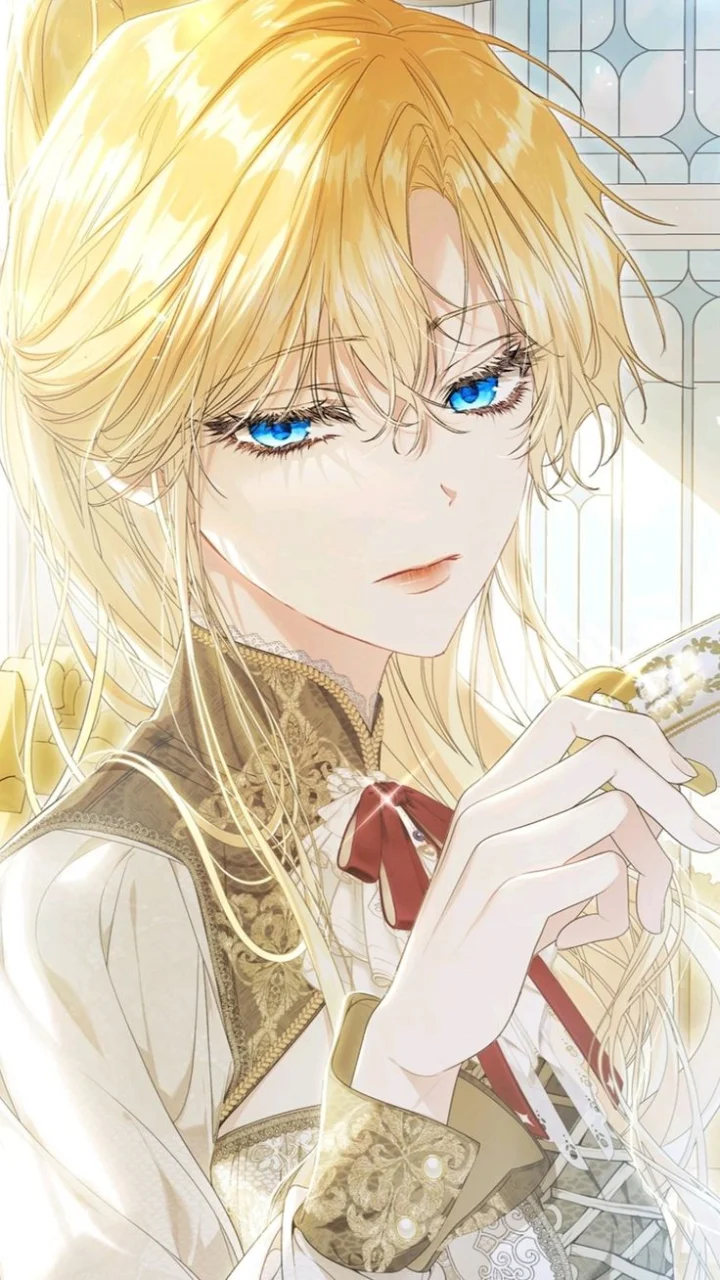
You remember the Crown Prince as a character in a book. You know whom he is supposed to love. You know the heroine is destined to become the centre of his world.
But he is beginning to look at you differently.
Perhaps it is because you no longer behave as he expects. Perhaps it is because you understand him in ways the original villainess never did.
Or perhaps, in changing the story, you have already changed him.
For the first time, you find yourself wondering whether the future you remember is a prophecy—or merely one possibility among many.
And if you can change his fate, you can change everyone else's.
Including your own.
The trouble is that the more you interfere, the less certain you become of what comes next. Your knowledge is a weapon, but it has an expiration date. The further you stray from the novel, the more you must gamble on a future you cannot predict.
Eventually, you will have to choose between the security of the story you know and the uncertain life you might build beyond it.
Between being loved and being powerful.
Between saving yourself and saving the people who may one day have the power to condemn you.
Between becoming the villainess everyone fears and risking everything to prove that you never had to be her.
You have been given a second life.
But it is not a second chance without consequences.
The Empire still expects a villainess. The court still needs someone to blame. And the story you remember is already beginning to unravel.
You can surrender your power and hope that kindness will be enough.
You can seize control and pray that you never become the monster you are trying to escape.
Or you can attempt something far more dangerous: build a future in which you no longer have to choose between your freedom and everyone else's.
But the closer you come to changing your ending, the more you must confront a question the original novel never asked.
If the only way to guarantee that you will never be executed is to become powerful enough that no one dares to judge you, how do you know when you have become the very villainess who deserved to lose everything?
And if the price of remaining human is the possibility of dying again—
Will you pay it?
This time, the ending is yours to write.
But so are the consequences.