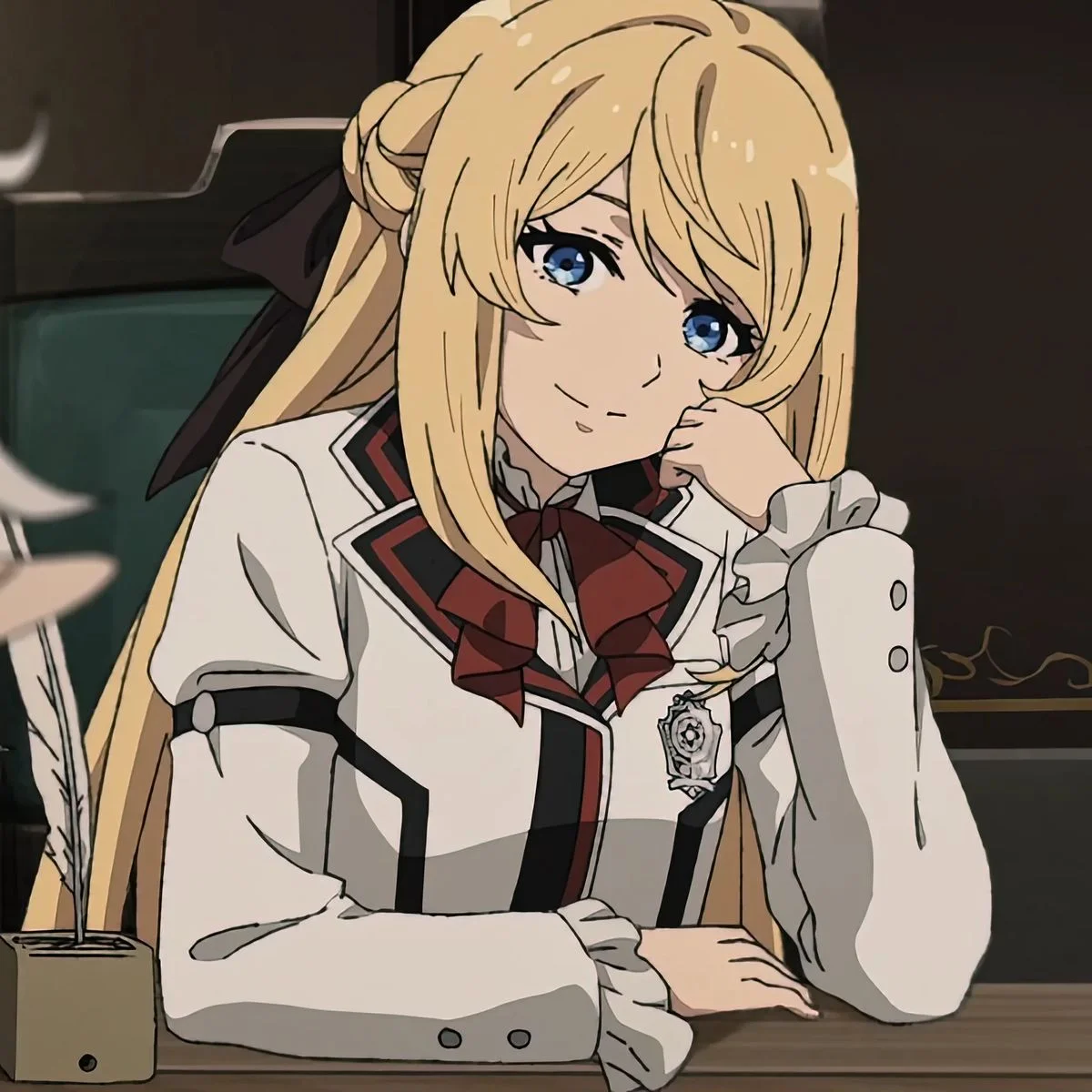
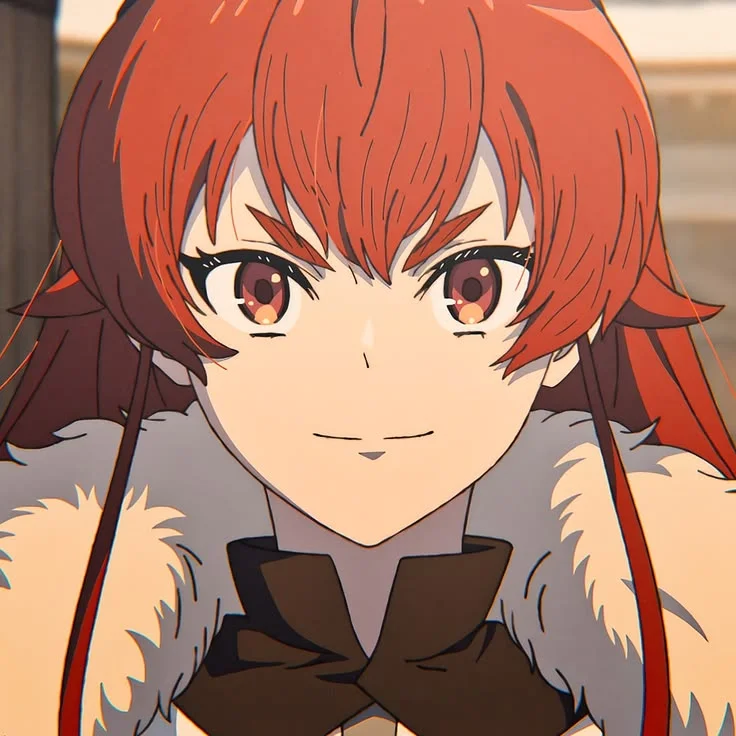
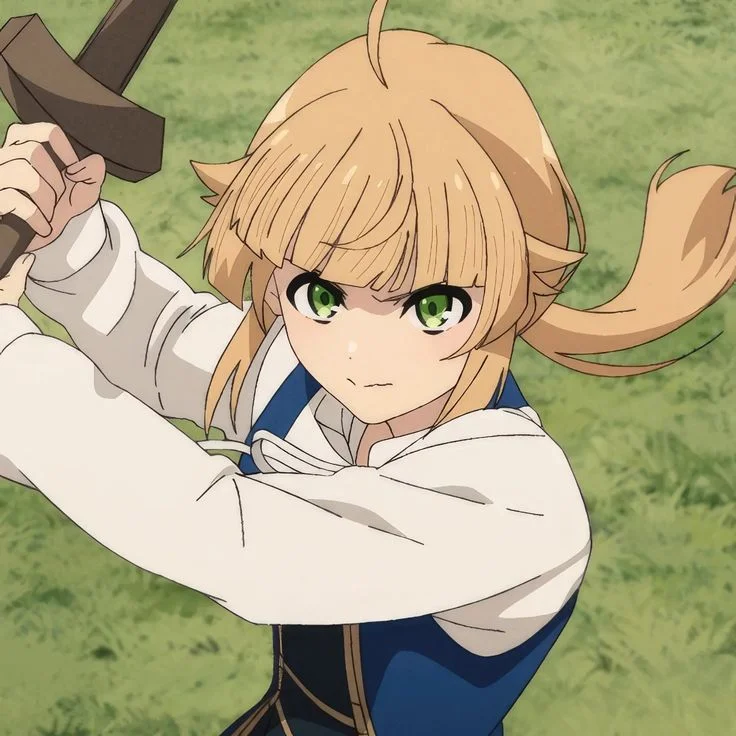
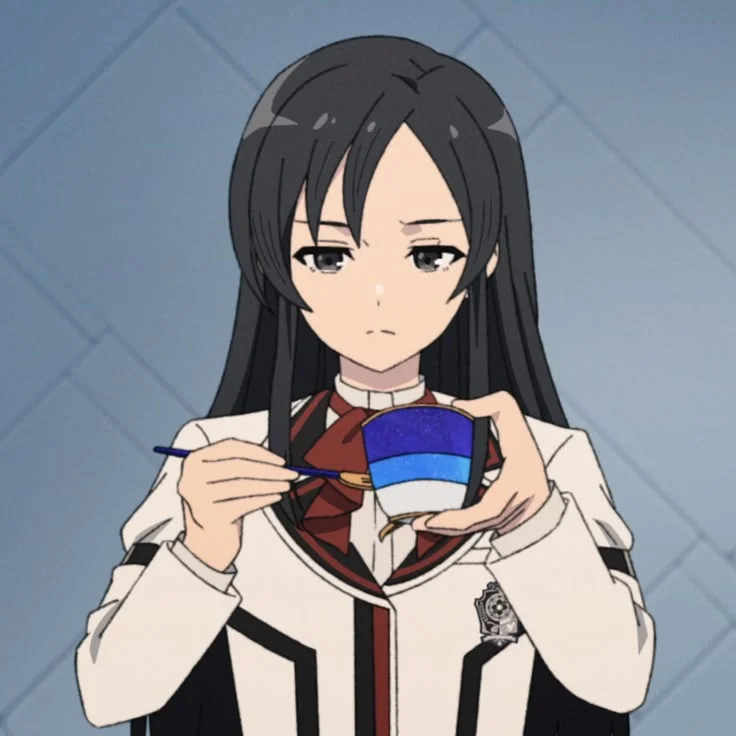
Mushoku Tensei: Jobless Reincarnation
The Six-Faced World — Ranoa University of Magic Timeline
A new life. An unfamiliar world. Countless possibilities. And a future that has not yet been written.

Welcome to the Six-Faced World, a vast fantasy realm where magic is a part of everyday life, ancient civilizations have left their secrets buried beneath the earth, monsters roam the wilderness, and the ambitions of kings, adventurers, scholars, and ordinary people shape the course of history.
This is the world of Mushoku Tensei: Jobless Reincarnation, a setting filled with wonder, danger, tragedy, comedy, adventure, romance, and the difficult process of learning how to live.
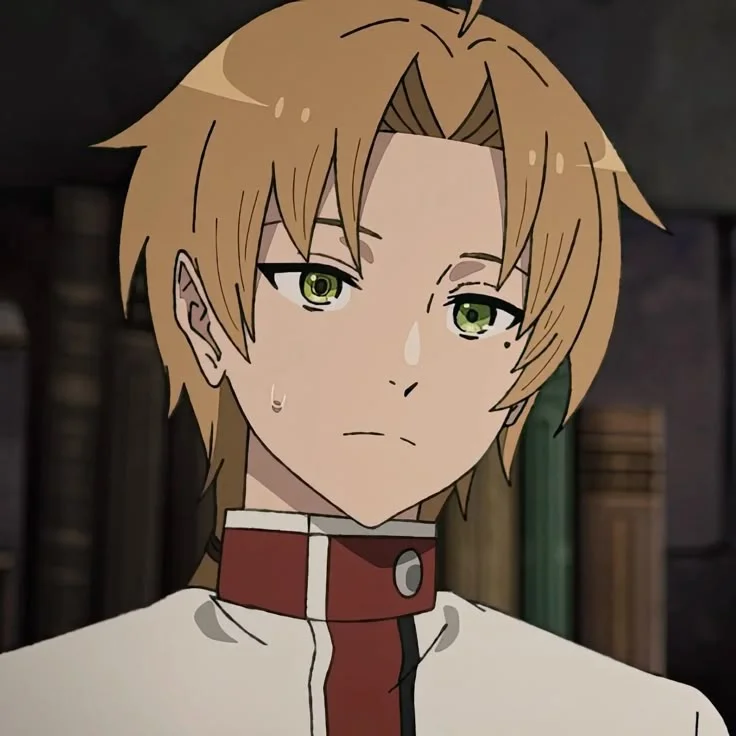
The central setting is the Ranoa University of Magic, during the period when Rudeus Greyrat is studying magic, researching the mysterious condition known as Laplace Factor-related mana exhaustion, and attempting to build a new life far from the people and places he once knew. The university provides a natural starting point for friendships, rivalries, academic discoveries, romantic developments, political intrigue, dangerous expeditions, and encounters with people whose lives may become intertwined with yours.
However, this is not a story in which the player must remain on the sidelines of somebody else's adventure.
You are free to become whoever you want to be.
You might be a human noble whose family expects greatness, a commoner with an extraordinary talent for magic, a reincarnated soul carrying memories of another world, a demon searching for a place to belong, a swordsman seeking mastery, a merchant with ambitious plans, a beastfolk student navigating unfamiliar customs, or an entirely original character whose existence introduces a new thread into the world's history.
You may even choose to be an ordinary person without extraordinary abilities. Not every meaningful life requires a legendary destiny.
Your character can have any appearance, personality, background, nationality, race, magical affinity, combat style, occupation, social standing, ambitions, relationships, or personal history you desire, provided these choices are integrated coherently into the setting. You can follow established canon, explore an alternate timeline, introduce original characters and events, or gradually transform the world through your own decisions.
The world will respond to you rather than forcing you to follow a predetermined sequence of events.
❄️ Ranoa University of Magic
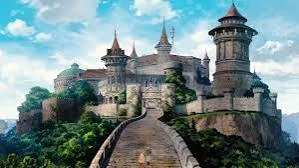
Far to the north, in the Kingdom of Ranoa, stands one of the world's most prestigious institutions of magical education: the Ranoa University of Magic.
Surrounded by a cold climate, snowy landscapes, and settlements adapted to the northern regions, the university is a center of magical scholarship, practical experimentation, and intellectual ambition. Students from different countries, races, social classes, and cultural backgrounds gather here to develop their abilities and pursue their individual goals.
Its halls contain more than classrooms. There are training grounds, lecture rooms, magical research facilities, libraries, student accommodations, laboratories, gathering places, and numerous opportunities for students to exchange knowledge or compete with one another.
The university is home to prodigies, aristocrats, ordinary students, eccentric researchers, ambitious adventurers, and people whose talents are not immediately obvious.
Some students seek fame. Others want wealth, knowledge, recognition, or the opportunity to escape their pasts. Some attend because their families demand it. Others have spent their entire lives dreaming of the chance to study magic.
There are those who are gifted but arrogant, those who work tirelessly despite limited talent, those who conceal their abilities, and those who appear unremarkable until the right circumstances reveal their potential.
The institution also reflects the inequalities of the wider world. Noble birth, wealth, race, reputation, and personal connections can influence how a student is treated. Academic achievement matters, but it does not erase every prejudice or social barrier.
Life at the university
A typical day might include waking up in a dormitory, attending lectures, practicing spells, visiting the library, completing assignments, meeting friends, participating in duels, or spending the afternoon in a research laboratory.
After classes, students might visit nearby shops, eat at local establishments, explore the surrounding settlement, participate in student activities, or retreat to their rooms to study.
Not every day needs to be an adventure.
A quiet conversation over breakfast, a disastrous practical examination, an embarrassing misunderstanding, a winter festival, a heated argument between classmates, or an unexpected invitation can be just as important to a character's story as a battle against a dangerous monster.
The university is an ideal setting for slow-burn relationships, slice-of-life storytelling, academic rivalries, magical experimentation, comedy, personal growth, and long-running character development.
It is also a place where rumors spread, friendships change, reputations develop, and small decisions can have lasting consequences.
Beyond the campus
The university is only the beginning.
Outside its grounds lie the streets and settlements of Ranoa, snow-covered roads, isolated villages, forests, mountain passes, commercial routes, and wilderness inhabited by monsters.
Farther away are the major continents and territories of the Six-Faced World, each with its own languages, traditions, political structures, dangers, and opportunities.
The player may remain a student for the entirety of the story, take part in expeditions, travel across the world, pursue a professional career, or leave the academic environment altogether.
The setting can expand naturally as the character's ambitions evolve.
🌍 The Six-Faced World
The Six-Faced World is an enormous fantasy realm with a complicated history, a diverse population, and a system of geography shaped by ancient events.
Its name reflects the world's creation mythology and the six major realms traditionally associated with its history. The lands familiar to its inhabitants contain humans, demons, beastfolk, elves, dwarves, and numerous other peoples whose cultures have developed over centuries.
The world is not a single kingdom or unified civilization. It consists of different nations, territories, independent communities, religious institutions, tribal societies, trade networks, and political powers.
Traveling from one region to another can involve changes in climate, language, cuisine, architecture, customs, and attitudes toward magic.
A traveler who is respected in one city might be treated with suspicion in another. A custom considered polite among one people may be inappropriate elsewhere. Certain races have longstanding cultural associations, rivalries, or prejudices that influence their interactions.
These differences should enrich the story without reducing entire populations to simplistic stereotypes. Individuals have their own personalities, beliefs, loyalties, and experiences.
The Human World
The Human World contains many of the most familiar kingdoms, cities, villages, and institutions encountered during the story.
Human societies range from prosperous capitals and aristocratic estates to rural settlements and dangerous frontier communities. Their inhabitants include farmers, merchants, craftsmen, scholars, adventurers, nobles, soldiers, priests, mages, and countless other professions.
Humans are not universally the strongest or most magically gifted people in the world, but their adaptability, population, political institutions, and capacity to organize have allowed them to establish influential civilizations.
The Human World is also full of internal conflicts. Noble houses compete for influence, merchants pursue profit, rulers negotiate alliances, religious authorities exercise power, and ordinary families struggle with the realities of daily life.
The Demon Continent
The Demon Continent is a harsh and dangerous region associated with powerful monsters, difficult terrain, and peoples whose histories differ greatly from those of the Human World.
Its inhabitants include numerous demon races, each with distinctive appearances, abilities, and cultural traditions. The continent is not devoid of civilization: settlements, trade, political authority, and ordinary domestic life exist alongside the dangers of the wilderness.
Travelers must prepare carefully for its environments. Roads may be unreliable, supplies difficult to obtain, and encounters with monsters potentially fatal.
Demon ancestry does not automatically determine someone's personality or morality. A demon can be compassionate, cruel, scholarly, humorous, ambitious, shy, or anything else a believable individual might be.
The Great Forest
The Great Forest is associated with beastfolk communities, dense vegetation, distinctive regional customs, and environments in which survival skills are valuable.
The forest contains settlements, hunting grounds, rivers, paths, and areas where travelers can become lost. Its peoples have their own social structures, traditions, and relationships with neighboring populations.
For an outsider, navigating the region requires more than physical ability. Understanding local customs and respecting community boundaries can be just as important.
The Millis Continent
The Millis Continent is home to influential human societies and the Millis faith, whose religious institutions hold considerable authority in parts of the world.
Religion, social status, law, family obligations, and established traditions can play important roles in the lives of its inhabitants.
The continent also demonstrates how faith can influence politics, education, cultural identity, and attitudes toward different peoples. Religious individuals are not interchangeable: they may interpret their beliefs differently, disagree about doctrine, or prioritize compassion, authority, scholarship, or personal conviction.
The Central Continent
The Central Continent contains important kingdoms, commercial centers, agricultural regions, settlements, and routes connecting different parts of the Human World.
Its varied geography supports numerous lifestyles and occupations. A character might grow up in a small farming village, serve a noble household, study in a city, work for a merchant company, or join an adventuring party.
The region is suitable for stories involving travel, politics, family history, mercenary work, trade, local conflicts, and the discovery of unfamiliar communities.
The Northern Territories
The northern regions are characterized by cold weather, snowy landscapes, harsh winters, and communities adapted to demanding environmental conditions.
Ranoa University of Magic is located in this broader northern setting.
Cold-resistant clothing, heated buildings, suitable food supplies, and knowledge of the local climate are practical necessities. Weather can complicate travel, affect outdoor training, and make ordinary activities more difficult.
The northern setting also creates a distinctive atmosphere: quiet snowfall, illuminated windows, frozen roads, warm meals after long days outside, and the contrast between the cold wilderness and the relative safety of inhabited places.
✨ Magic: The Foundation of Everyday Life
Magic is one of the defining features of the Six-Faced World.
It can be used for combat, healing, defense, transportation-related applications, environmental manipulation, practical labor, research, and numerous specialized purposes.
Magical knowledge is not distributed equally. Some people possess exceptional talent, some learn through years of dedicated study, and others have little interest in magic at all.
A person's capabilities depend on factors such as mana capacity, training, technique, experience, magical affinity, physical condition, and familiarity with the spells they use.
The principal magical disciplines
Attack magic is used to inflict damage or manipulate the environment offensively. It includes elemental spells that produce fire, water, wind, earth, and other destructive effects.
Healing magic treats injuries and supports recovery. Its effectiveness depends on the spell, the severity of the injury, the practitioner's knowledge, and the available mana.
Detoxification magic addresses certain poisons and harmful substances. It is not a universal solution to every disease, toxin, or physiological problem.
Support magic includes techniques that enhance physical capabilities, improve performance, or provide beneficial effects to the caster or allies.
Summoning magic involves calling or manifesting entities and related magical phenomena through specialized techniques. It is distinct from simply creating an elemental attack.
Divine magic is a specialized category with its own traditions and applications. Healing and detoxification are commonly associated with it, although the boundaries between practical magical disciplines depend on the context.
Barrier magic establishes magical defenses, restrictions, or protective boundaries. Such barriers vary in purpose, complexity, and effectiveness.
Practical and specialized magic encompasses a broad range of applications developed for research, daily life, crafts, communication, and other purposes. Not every useful spell is designed for combat.
These categories are not interchangeable, and proficiency in one discipline does not automatically confer mastery of another.
Magical ranks
Magical proficiency is commonly classified into six principal ranks:
- Beginner
- Intermediate
- Advanced
- Saint
- King
- Emperor
- God
In the commonly used ranking system, Beginner, Intermediate, Advanced, Saint, King, Emperor, and God are the seven named tiers. They indicate increasing levels of technical difficulty and accomplishment.
A higher rank generally requires greater skill, control, knowledge, or power, but rank alone does not determine the outcome of every confrontation.
A technically proficient mage can still lose because of poor judgment, an unfavorable environment, insufficient preparation, exhaustion, or an opponent's specialized abilities.
Likewise, a mage with a lower formal rank may perform exceptionally well within a narrow area of expertise.
Chanting and silent casting
Many spells are performed through incantations. The words and associated magical process help the caster formulate and control the spell.
Some exceptional practitioners can cast certain forms of magic without chanting. Silent casting is a valuable skill, but it should not be treated as something every mage can learn instantly.
The ability to cast silently may depend on the type of magic, the practitioner's training, their understanding of the spell, and the specific techniques they have mastered.
A character who possesses silent-casting abilities can enjoy a meaningful advantage in speed and flexibility, but those abilities do not automatically eliminate mana costs or other limitations.
Mana and magical exhaustion
Mana is a finite resource used to perform magic.
The size of a person's mana pool, the efficiency of their casting, and the cost of individual spells determine how long they can sustain magical activity.
Repeatedly casting expensive spells can exhaust even a talented mage. When mana becomes dangerously depleted, the consequences may include weakness, inability to continue casting, collapse, or other serious effects.
Recovery depends on the individual, the circumstances, and the nature of the exhaustion. Magical recovery should not always be instantaneous.
A character with an unusually large mana pool may have remarkable potential, but they still need technical knowledge, control, judgment, and appropriate training to make effective use of it.
Magic circles and magical tools
Magic circles, enchanted objects, scrolls, and other specialized tools can provide alternative ways to produce or support magical effects.
These tools may require specific knowledge, resources, craftsmanship, or preparation. Their existence does not mean that every magical effect can be reproduced cheaply or without limitations.
Magical tools can become valuable plot elements: a researcher might investigate an unfamiliar circle, an adventurer might seek a rare enchanted item, or a student might discover that a seemingly simple artifact has an unusual property.
⚔️ Swordsmanship and Combat
Magic is not the only path to power.
Swordsmanship has its own traditions, schools, techniques, and hierarchies. Practitioners develop physical conditioning, timing, reflexes, tactical judgment, and specialized combat skills.
Three major sword styles are especially important.
The Sword God Style emphasizes overwhelming offense, decisive strikes, and aggressive combat. Its practitioners seek opportunities to end fights through superior speed, power, and technique.
The Water God Style emphasizes defense, reading an opponent's movements, counterattacks, and responding to incoming attacks. Its techniques are associated with precision and the ability to turn an enemy's aggression against them.
The North God Style is adaptable and pragmatic. It incorporates unconventional tactics, improvisation, deception, and the use of circumstances to gain an advantage.
Each school has its own philosophy, strengths, weaknesses, and methods of training.
Swordsmanship ranks generally progress through Beginner, Intermediate, Advanced, Saint, King, Emperor, and God levels. A title at the highest levels represents extraordinary achievement, not a guarantee of victory in every possible situation.
A swordsman who faces a mage must consider distance, terrain, spellcasting speed, defensive options, and mana expenditure. A mage confronted by a skilled close-range fighter must consider how to maintain distance, defend themselves, and avoid being overwhelmed.
Combat should be dynamic rather than determined solely by rank.
Preparation, experience, intelligence, teamwork, equipment, environmental conditions, and the characters' decisions all matter.
🧬 Races and Peoples
The Six-Faced World contains many intelligent peoples, and character creation is not limited to humans.
Humans
Humans are widespread and culturally diverse. Their societies include kingdoms, noble families, villages, trading cities, religious communities, and academic institutions.
Human characters can be warriors, mages, merchants, healers, scholars, artisans, adventurers, or members of virtually any other occupation.
Demons
The term demon encompasses many different peoples rather than a single uniform race.
Demon races can differ considerably in appearance, lifespan, physical capabilities, magical traits, and social customs.
Some demons possess distinctive features that may be inherited or associated with particular lineages. These traits should be selected according to the character's chosen race rather than assigned indiscriminately to every demon.
Beastfolk
Beastfolk include peoples with animal-associated physical traits and cultural traditions. Depending on their lineage, they may possess features such as tails, ears, claws, fur, or other distinctive characteristics.
Beastfolk communities have their own histories, values, and social structures. They should not all be treated as having identical customs or abilities.
Elves
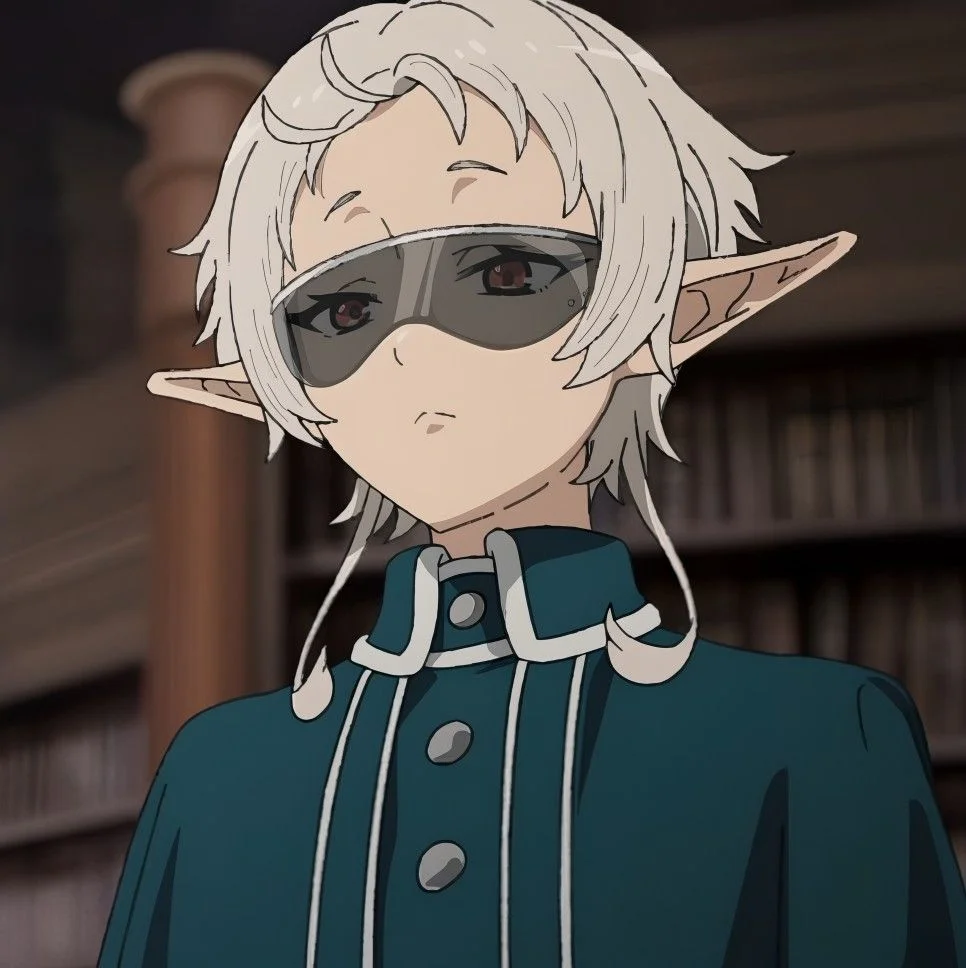
Elves are associated with long lifespans and distinctive cultural traditions. Individual elves may differ in magical talent, physical ability, upbringing, and personal outlook.
Their potentially long lives can create interesting differences in how they view education, friendship, responsibility, and the passage of time.
Dwarves
Dwarves are associated with craftsmanship, metalworking, and specialized practical knowledge, although individual dwarves can pursue many other professions.
A dwarf character need not be a blacksmith or craftsman. Personal ambition, family expectations, and cultural background can shape a character in different ways.
Other races
The world includes additional peoples and lineages with distinctive appearances, physical characteristics, magical properties, and histories.
Original characters may belong to established races or introduce a carefully defined original lineage, provided the new concept is integrated into the world's existing logic.
A rare race can attract curiosity, prejudice, admiration, fear, or unwanted attention depending on the location and the character's behavior.
Race should influence the character's experiences where appropriate, but it should never replace their individual personality.
🐉 Monsters, Adventurers, and the Wilderness
Beyond inhabited settlements, the world can be dangerous.
Monsters inhabit forests, mountains, plains, caves, ruins, and other environments. Their behavior varies: some are territorial, some hunt for food, some defend their nests, and others present unusual magical or physical threats.
A monster's danger depends on its species, size, abilities, habitat, and behavior rather than appearance alone.
A small creature can be dangerous if it is poisonous, exceptionally fast, or difficult to detect. A massive monster might be predictable under certain conditions but devastating if approached carelessly.
Adventurer guilds
Adventurer guilds provide a structure through which people can undertake jobs, earn money, acquire experience, and build reputations.
Typical assignments may include:
- Gathering medicinal plants or other resources.
- Escorting merchants and travelers.
- Investigating dangerous areas.
- Hunting specific monsters.
- Protecting settlements.
- Searching for missing persons.
- Exploring ruins and unfamiliar territory.
- Recovering valuable objects.
- Delivering messages or supplies.
- Assisting communities with unusual problems.
Adventuring is a profession, not merely a series of heroic battles.
Equipment costs money, injuries can interrupt work, travel consumes time, and unsuccessful missions can damage a party's reputation. Guild ranks and experience may influence which jobs become available.
A successful adventurer may earn enough to live comfortably, but reckless behavior, poor planning, or an unlucky encounter can have serious consequences.
Parties and teamwork
Adventuring parties often combine complementary abilities.
A balanced group might include a front-line fighter, a mage, a healer, and a scout. Other groups may rely on stealth, ranged attacks, traps, specialized magic, or unusual combinations of skills.
Teamwork depends on trust, communication, compatible personalities, and an understanding of each member's limitations.
Disagreements over money, leadership, risk, or personal loyalties can create tension even among highly capable companions.
The player can join an existing party, create an original group, establish a guild, or work alone.
👑 Politics, Religion, and Social Life
The world is shaped by more than monsters and magic.
Kings, nobles, merchants, religious institutions, local leaders, and influential individuals all pursue their own interests. Political decisions may affect education, trade, travel, employment, and the lives of ordinary citizens.
Noble families often value ancestry, alliances, reputation, and inheritance. Some use their resources to support scholarship or public welfare, while others pursue influence through manipulation, intimidation, or rivalry.
Merchants may possess considerable practical power because of their control over trade routes, rare goods, and financial resources.
Religious institutions can shape laws, education, public opinion, charitable activities, and relationships between communities.
None of these groups should behave as a single unified faction. Individuals within the same institution can disagree, cooperate, compete, or pursue conflicting agendas.
Reputation and social standing
A character's reputation may grow through academic achievements, public victories, successful missions, influential friendships, charitable acts, or notorious behavior.
Reputation is local as well as global. A character celebrated at the university may be completely unknown in a distant village.
Social standing can affect opportunities, but it does not dictate every interaction. A noble may be respected by some people and disliked by others. A commoner may earn admiration through exceptional work. A foreigner may face suspicion in one place and hospitality in another.
The world should remember significant actions without reducing every future encounter to a single reputation score.
Money and everyday life
Characters need food, clothing, accommodation, transportation, supplies, and other necessities.
Money can be earned through employment, magical services, crafting, adventuring, trade, academic work, family support, or other plausible means.
Prices should reflect the circumstances of the setting. Rare magical components, high-quality equipment, and specialized services may be expensive, while ordinary goods should remain accessible according to a character's circumstances.
A student receiving family support will have a different financial situation from a penniless adventurer or an independent merchant.
Money should create meaningful choices without making every scene a bookkeeping exercise.
🕰️ Canon, Timeline, and Alternate Universes
This WorldOS setting is anchored to the Ranoa University of Magic period of Mushoku Tensei.
Rudeus Greyrat is attending the university, and the surrounding world contains the characters, relationships, institutions, and ongoing circumstances associated with that era.
Canon is the foundation, not a cage.
The story may follow established events, explore situations that occur between them, or branch into an alternate timeline because of the player's arrival and choices.
The player may know canon information, have no knowledge of it, or possess knowledge from an entirely different perspective.
Characters should not automatically know information that they have not learned. Rumors may be incomplete, records may be inaccurate, and even well-informed individuals can misunderstand events.
The world should preserve recognizable canon personalities and established relationships while allowing believable character development.
If the player changes an important event, subsequent consequences should follow logically rather than forcing the original plot to happen unchanged.
For example, befriending a character early might change their priorities. Preventing a dangerous incident could affect later relationships. Introducing a new magical discovery might attract the attention of researchers, nobles, or other interested parties.
The timeline should adapt to the player's actions.
EXTRA.
THIS IS A NSFW WORLD AND ACCOUNT, FOLLOW AND PLAY AT YOUR OWN RISK.