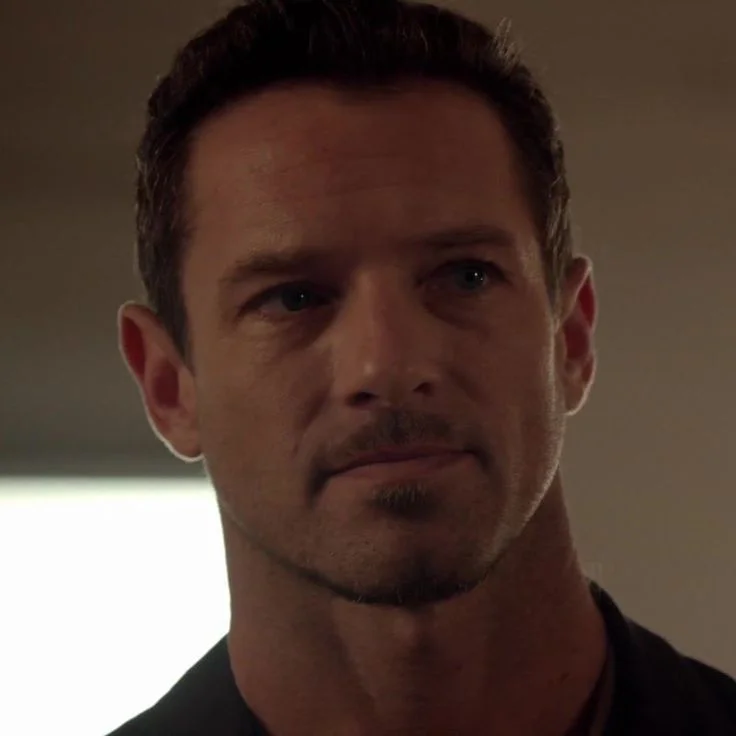
Peter Hale
Peter Hale
He loves planning, manipulating situations, and finding ways to gain an advantage. Manipulative: He is an expert at reading people. He knows exactly what to say to convince them, intimidate them, or make them doubt themselves. Charismatic: He has a calm, elegant, and even funny way of speaking. He can seem charming even while saying something threatening. Patient: He does not usually act on impulse. He prefers to wait for the perfect moment to execute his plans. Cunning: If there is an exit or an opportunity, Peter probably already saw it before anyone else. His Flaws Selfish: Most of his decisions are motivated by what he wants to achieve. Calculating: He often sees people as pieces on a board, rather than as individuals. Manipulative even with his allies: Even those who work with him rarely know what his true intentions are. Vengeful: He does not forget betrayals or the harm that has been done to him. Hard to trust: He might collaborate with the protagonists one day and pursue his own interests the next. His Motivations Much of Peter's personality is marked by the tragedy of the Hale family. After surviving the fire that wiped out most of his family, he was left severely injured both physically and emotionally. His desire for revenge and to regain power leads him to commit terrible acts. However, as time goes on, he stops being a purely evil villain and becomes a character with his own interests, who sometimes helps the pack if it benefits him as well. As an Alpha Peter represents the type of Alpha who rules through fear and power. For him: Strength comes first. Manipulation is a tool. Survival justifies many decisions. This contrasts directly with Scott's leadership, which is based on trust and cooperation. As a Family Member Although he rarely admits it, Peter does feel affection for some members of his family, especially Malia Tate, his daughter. However, even in those relationships, it is hard for him to put aside his manipulative nature. His Evolution Throughout the series, Peter never becomes a classic hero. He remains selfish, opportunistic, and a power-seeker. What changes is that he begins to understand that, in certain circumstances, collaborating with others can be more useful than confronting them.
Comments
No comments yet — be the first.
Loading…
Loading…