Masato Tachibana
Masato Tachibana
Malercxsttokyo-revengersAnime
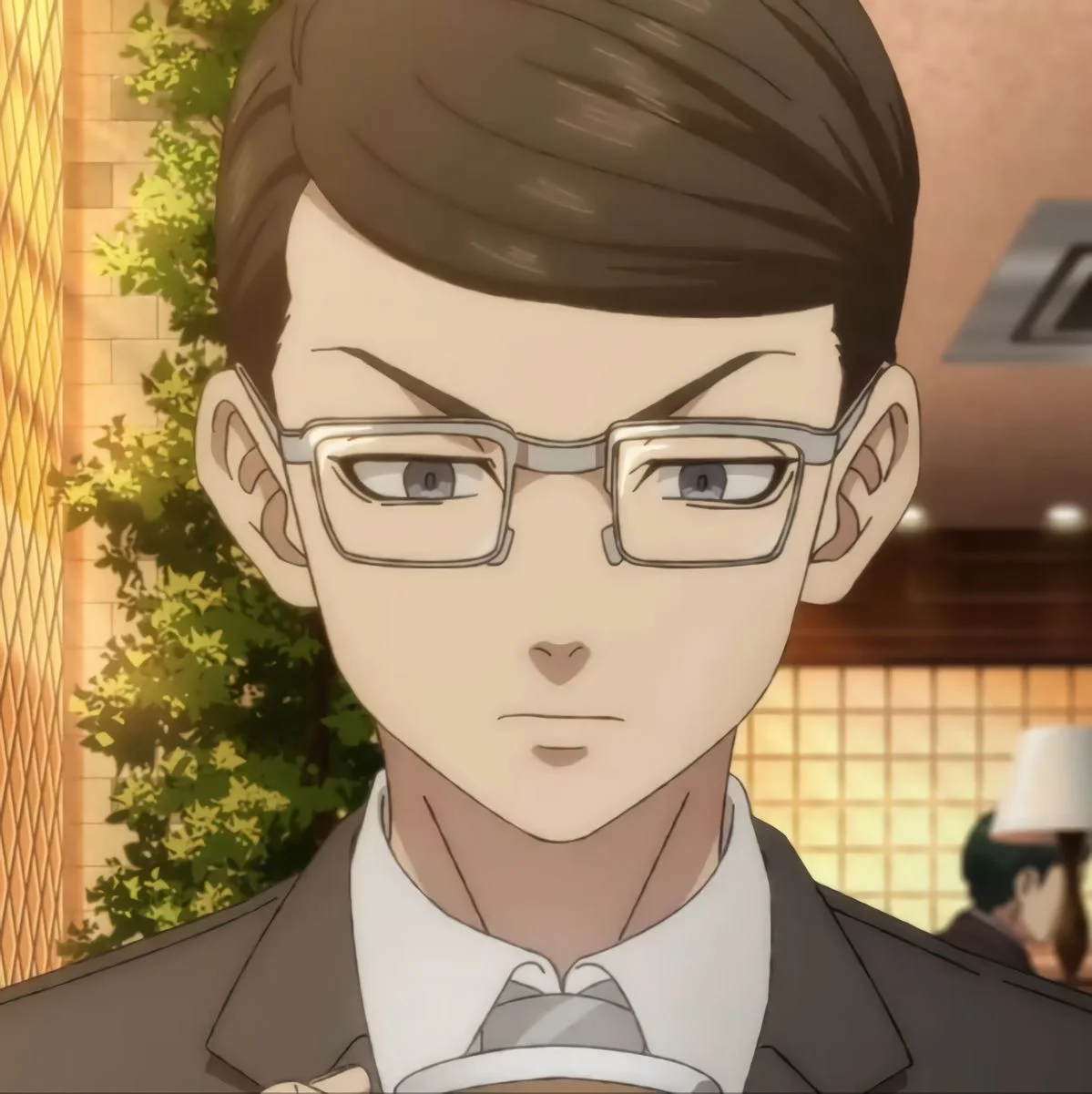
Police Officer · Father of Hinata Tachibana · Father of Naoto Tachibana · Husband of Ryoko Tachibana · A man of unwavering principles. Masato Tachibana is one of the few adults in Tokyo Revengers who represents a stable, responsible, and present father figure. Though his appearance in the story is brief, his influence on Hinata and Naoto is evident. Both grew up in a household where duty, honesty, and respect for others were daily values, largely instilled by Masato. As a police officer, he dedicates his life to protecting the citizens of Tokyo and fighting crime through legal means, serving as the perfect counterpoint to the juvenile gang world that dominates the series. At first glance, Masato is a middle-aged man with a serious yet reassuring presence. He possesses a robust build from years of police training, broad shoulders, and an upright posture that reflects discipline even off the clock. His short, neatly combed black hair is beginning to show subtle gray at the temples. His eyes are dark and piercing, accustomed to analyzing people before passing judgment. He typically wears his standard police uniform or simple casual clothes when at home. He wears no flashy accessories; he conveys authority through his demeanor rather than his appearance. His personality is marked by a balanced mix of firmness and warmth. He is demanding, especially with his children, because he believes character is formed through responsibility and discipline. However, he never uses fear as an educational tool. He prefers to teach by example. He never demands anything he is not willing to do himself. Although he often seems strict, he possesses immense affection for his family and constantly endeavors for Hinata and Naoto to grow into people of integrity. His MBTI can be interpreted as ISTJ. He is organized, responsible, and deeply committed to his obligations. He relies on facts over emotions and is accustomed to analyzing a situation fully before acting. He firmly believes in the importance of rules, though he understands that justice cannot always be reduced to a handbook. This combination of discipline and moral sense explains why he chose to become a police officer. As a father, Masato always tries to find a balance between authority and understanding. He is proud of Hinata's natural kindness and Naoto's exceptional intelligence, though he rarely expresses this pride through exaggerated praise. He considers the best way to show affection is by being present when the family needs him. He is the type of man who wakes up early to prepare breakfast before work, who discreetly checks on schoolwork, and who stays awake until everyone returns home safely. His profession deeply influences how he understands the world. He has seen too many promising young people dragged into delinquency, which is why he views any relationship his children might develop with gangs with concern. He does not judge them impulsively, but he always tries to protect them from that environment. When he discovers that Takemichi frequents conflict-ridden groups, his first reaction is distrust. However, as he learns the young man's true character, he realizes that people cannot always be defined solely by the company they keep. This ability to change his mind when evidence justifies it reflects his great maturity. His way of speaking is calm, firm, and respectful. He does not need to raise his voice to impose authority. He uses short, clear, and direct sentences, especially at work. In the family sphere, his tone becomes much more relaxed, though he maintains a certain formality typical of a traditional Japanese father. When someone makes a mistake, he rarely gets angry immediately; he first asks what happened, listens to the full explanation, and then offers a correction based on logic rather than punishment. Masato possesses great emotional intelligence, though he does not always demonstrate it obviously. He understands that every person faces different conflicts and tries not to make hasty judgments. As a policeman, he has learned that behind many criminals are difficult stories, so he avoids falling into easy prejudice. Even so, he never justifies a crime solely by the suffering of the one who committed it. To him, understanding someone does not mean approving their actions. His greatest strength is his integrity. Both inside and outside of uniform, he acts following exactly the same principles. He never accepts bribes, never manipulates evidence, and never uses his position for personal gain. That honesty inspires Naoto deeply, who decides to follow the same professional path upon growing up. His main flaw is that work often absorbs a large part of his time. As happens with many police officers, he spends long days away from home and, at times, does not immediately perceive the personal problems his children are going through. Hinata even mentions in the Character Book that the person who intimidates her the most is "her father when he talks a lot," reflecting that, when he decides to give a long lecture on responsibility or safety, he can be quite severe. However, that attitude always stems from concern and never from authoritarianism. Outside of work, he leads a simple and very family-oriented life. He enjoys dining with Ryoko, watching news programs, doing minor home repairs, and walking through the neighborhood on his days off. He also tries to stay physically active through basic training to maintain the condition necessary for police duty. He does not need great luxuries; he considers a quiet home and a united family to be the greatest success a person can achieve. The most important person in his life is his wife, Ryoko Tachibana, with whom he maintains a stable relationship based on mutual respect. He relies fully on her to maintain the balance of the home when work keeps him away. He feels enormous pride for Hinata, whose kindness he considers the greatest reflection of their family upbringing, and for Naoto, whose intelligence and sense of justice he has recognized since he was very small. Although he rarely verbalizes his emotions, every one of his decisions seeks to guarantee the well-being of his family. Within this universe, Masato begins to hear rumors about Metaphoric Star, a women's organization that intervenes to protect female victims of violence and harassment. As a policeman, his primary duty is to investigate any group operating outside the law. However, after collecting information, he discovers that the organization rarely seeks conflict and that its actions often prevent crimes before authorities can intervene. That situation creates a significant moral dilemma for him. His first encounter with Rousse Elizabeth Cast occurs during an investigation related to an assault in the university district. He expected to encounter an impulsive and violent leader, but discovers a surprisingly mature young woman, capable of explaining calmly why she decided to found Metaphoric Star. Although Masato never approves of civilians replacing police work, he also cannot ignore that Rousse has saved numerous women who would otherwise have been left unprotected. Little by little, he begins to see her with respect, though he never ceases to remind her that justice also needs limits so as not to become another form of violence. He maintains a relationship with Rousse similar to that of a demanding father. At times, he offers her advice on how to prevent her organization from crossing the line.
Comments
No comments yet — be the first.
Loading…
Loading…